


 VI
VIMany patients ask can you get dental implants with bone loss, especially when facing reduced jawbone density requirement, poor dental implant stability, or concerns about osseointegration success. In reality, dental implants bone loss cases are often treatable thanks to bone grafting for implants, bone augmentation, or advanced solutions like sinus lift procedure, All-on-4 implants, zygomatic implants, pterygoid implants, mini dental implants, and other implant alternatives bone loss options. Even patients needing bone graft alternatives, with concerns about implant eligibility with osteoporosis or implant success rate after bone graft, can still qualify. At Tam Duc Smile Dental, each case is evaluated to optimize healing time and long-term implant success.
1. Can You Get Dental Implants with Bone Loss?
Can you get dental implants with bone loss? This is one of the most common and important questions asked by patients who have lost teeth for a long time or have been told they have insufficient jawbone. The short answer is yes, in many cases you can still receive dental implants even with bone loss, thanks to modern implant dentistry techniques.
In the past, significant jawbone density requirement limitations meant that patients with bone loss were often told implants were impossible. Today, advanced diagnostics, surgical techniques, and alternative implant solutions allow dentists to successfully place implants in patients with mild, moderate, and even severe dental implants bone loss conditions.
Bone loss does not automatically disqualify you from treatment. Instead, it changes how treatment is planned. With proper assessment and the right approach, dental implants remain one of the most reliable and long-lasting tooth replacement options available.
At Tam Duc Smile Dental, implant treatment plans are customized based on bone quality, bone volume, overall health, and long-term stability rather than a one-size-fits-all approach.
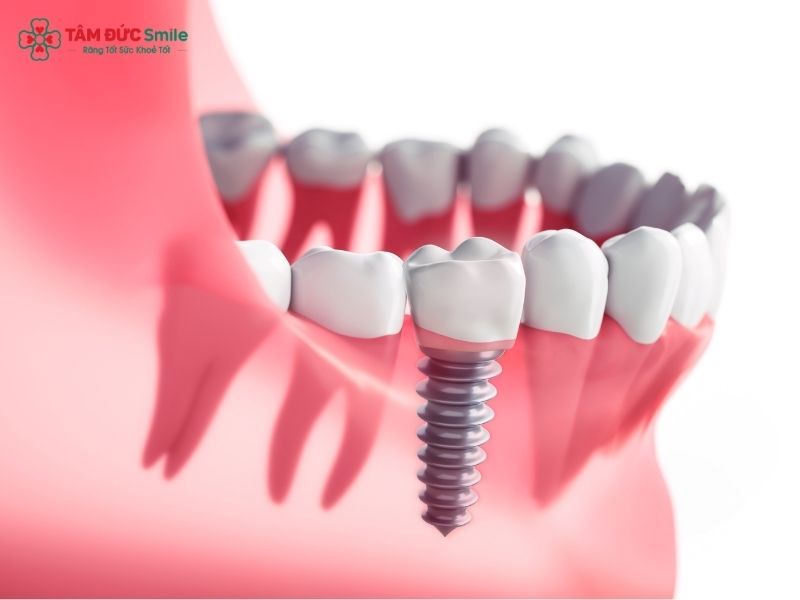
2. Why Jawbone Density Matters for Dental Implants
Dental implants are designed to replace natural tooth roots. Unlike dentures or bridges, implants are placed directly into the jawbone and rely on a biological process known as osseointegration success to remain stable.
2.1 The Role of Jawbone Density in Implant Stability
For an implant to function properly, it must be surrounded by enough healthy bone. Adequate jawbone density requirement ensures:
- Strong initial dental implant stability
- Proper osseointegration success (fusion between implant and bone)
- Long-term durability under chewing forces
- Reduced risk of implant failure
When bone density is insufficient, the implant may not integrate properly, leading to movement, discomfort, or eventual failure.
2.2 What Causes Jawbone Loss?
Bone loss is common and often progressive. The most frequent causes include:
- Tooth loss left untreated for years
- Gum disease (periodontitis)
- Trauma or injury
- Long-term denture use
- Natural aging
- Medical conditions affecting bone metabolism
Once a tooth is lost, the jawbone in that area no longer receives stimulation from chewing. Over time, the body begins to resorb the bone, leading to bone augmentation needs if implants are desired later.
2.3 Bone Loss Does Not Mean Implant Failure
Many patients assume that bone loss means implants are impossible. This is outdated thinking. Today, dentists routinely manage dental implants bone loss using surgical and prosthetic strategies that restore function and aesthetics safely.
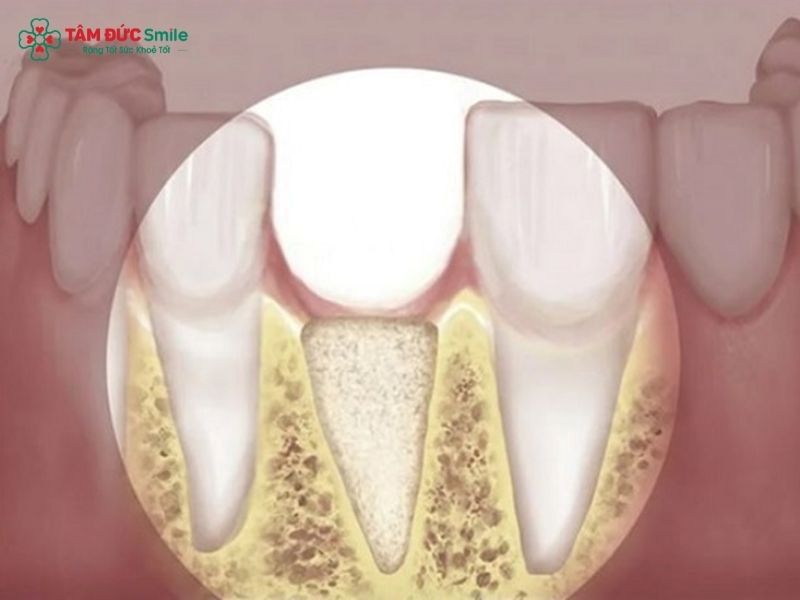
3. Assessing Bone Loss: How Dentists Evaluate Implant Eligibility
Before answering the question can you get dental implants with bone loss, a comprehensive evaluation is essential. Implant success depends on accurate diagnosis, not assumptions.
3.1 Advanced Imaging and Diagnostics
Dentists assess bone quality using:
- Digital panoramic X-rays
- 3D CBCT scans
- Clinical examination of gums and bite
These tools allow precise measurement of:
- Bone height
- Bone width
- Bone density
- Sinus position (upper jaw)
- Nerve location (lower jaw)
This data determines whether standard implants, bone grafting for implants, or implant alternatives bone loss solutions are needed.
3.2 Levels of Bone Loss
Bone loss is typically categorized as:
- Mild bone loss: Often suitable for standard implants
- Moderate bone loss: May require bone grafting for implants or angled implants
- Severe bone loss: Advanced options such as zygomatic implants or All-on-4 implants may be recommended
Each level has viable solutions when planned correctly.
3.3 Medical Considerations and Bone Health
Conditions such as osteoporosis often raise concerns. However, implant eligibility with osteoporosis is not automatically excluded. Factors such as medication type, bone turnover rate, and overall health play a greater role than diagnosis alone.
4. Bone Augmentation: Rebuilding a Strong Foundation
When natural bone is insufficient, bone augmentation procedures help rebuild the jaw to support implants safely and effectively.
4.1 Bone Grafting for Dental Implants
Bone grafting for implants is one of the most common solutions for patients with bone loss.
What Is Bone Grafting?
Bone grafting involves placing bone material in areas where bone volume is inadequate. Over time, the body integrates the graft, creating a stronger foundation for implant placement.
Types of Bone Graft Materials
- Autograft (your own bone)
- Allograft (donor bone)
- Xenograft (animal-derived bone)
- Synthetic graft materials
Each type supports osseointegration success and long-term implant stability.
Healing Time After Bone Grafting
Healing time varies depending on graft size and patient health. On average:
- Minor grafts: 3–4 months
- Major grafts: 6–9 months
Once healed, implants can be placed with high implant success rate after bone graft outcomes.
4.2 Sinus Lift Procedure for Upper Jaw Bone Loss
When bone loss occurs in the upper back jaw, a sinus lift procedure may be required.
Why Is a Sinus Lift Needed?
After tooth loss, the maxillary sinus can expand downward, leaving insufficient bone for implants. A sinus lift gently raises the sinus membrane and places graft material beneath it.
Benefits of Sinus Lift
- Increases bone height
- Creates space for stable implants
- Improves osseointegration success
- Enables long-term implant stability
This technique has a long track record of success when performed by experienced clinicians.
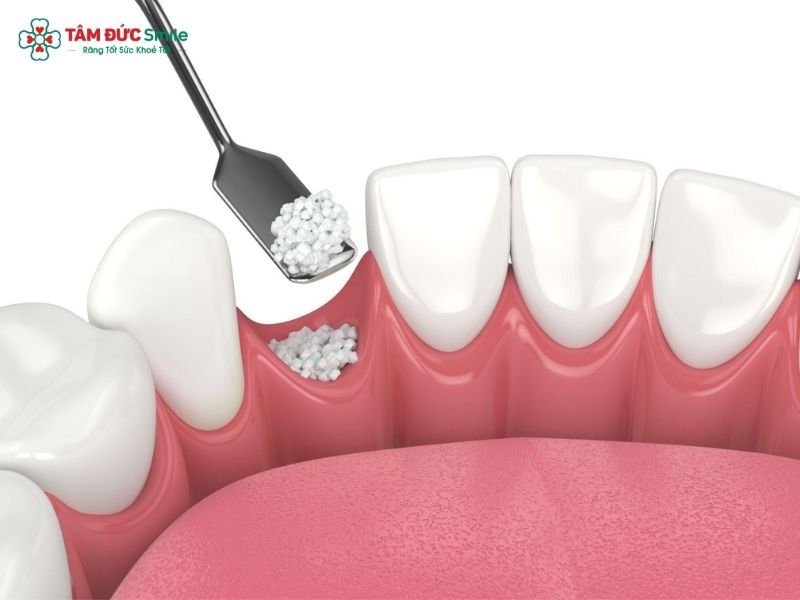
5. Alternative Implant Techniques for Patients with Bone Loss
In cases where grafting is not ideal or patients want faster solutions, modern dentistry offers multiple implant alternatives bone loss options.
5.1 Zygomatic Implants
Zygomatic implants are long implants anchored into the cheekbone rather than the jawbone.
Who Are They For?
- Patients with severe upper jaw bone loss
- Those who want to avoid extensive grafting
- Patients seeking immediate fixed teeth
Advantages
- No need for bone grafting
- Immediate function in many cases
- High long-term success rates
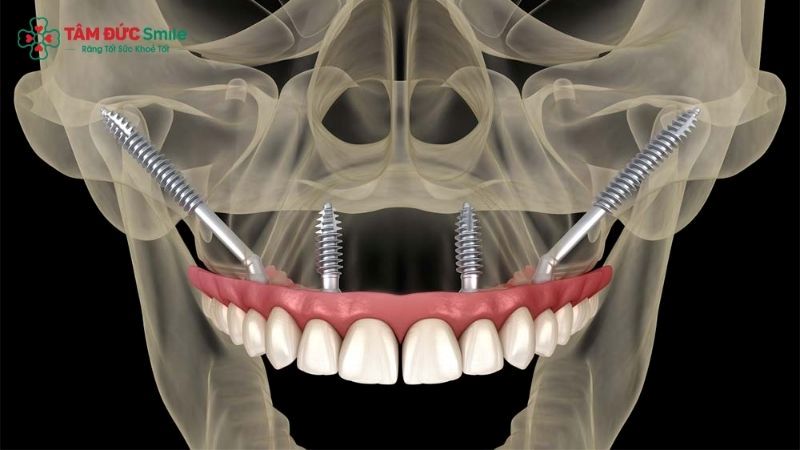
5.2 All-on-4 Implants
All-on-4 implants use four strategically angled implants to support a full arch of teeth.
Key Benefits
- Maximizes existing bon
- Often avoids bone graft alternatives
- Fixed, non-removable teet
- Faster treatment timelin
This approach is widely used for full-mouth restoration in patients with dental implants bone loss.
5.3 Mini Dental Implants and Pterygoid Implants
Mini dental implants are narrower implants designed for areas with limited bone width.
Pterygoid implants anchor into dense bone at the back of the upper jaw, bypassing areas of bone loss.
When Are These Used?
- Limited bone volume
- Anatomically challenging cases
- Patients unsuitable for traditional implants
Both options expand implant alternatives bone loss possibilities without compromising function.
5.4 Choosing the Right Implant Solution
Selecting the right solution depends on:
- Bone quality and volume
- Overall health
- Aesthetic expectations
- Budget and treatment timeline
At Tam Duc Smile Dental, implant plans are personalized to ensure long-term success, safety, and patient satisfaction.
Tam Duc Smile Dental Clinic – A Modern Nationwide Dental System
Tam Duc Smile Dental Clinic is a leading comprehensive dental system, offering a full range of oral healthcare services from basic to advanced treatments, including routine dental check-ups, cavity treatment, scaling and aesthetic fillings, teeth whitening, porcelain crowns and veneers, orthodontics, and dental implant placement. With a team of highly experienced and dedicated dentists, along with advanced technologies such as Cone Beam CT 3D imaging and CAD/CAM systems, Tam Duc Smile Dental Clinic is committed to delivering a perfect smile that is safe, durable, and long-lasting over time. Book your appointment today for a free consultation via Hotline 1900.8040
- 52 Tan Ky Tan Quy Street, Tay Thanh Ward, Ho Chi Minh City
- 140 Ly Thai To Street, Ban Co Ward, Ho Chi Minh City
- 76 Pham Hong Thai Street, Ben Thanh Ward, Ho Chi Minh City
- 708–720 Dien Bien Phu Street, Thanh My Tay Ward, Ho Chi Minh City
- 513 Hoang Van Thu Street, Tan Son Nhat Ward, Ho Chi Minh City
- 50 Le Van Viet Street, Tang Nhon Phu Ward, Ho Chi Minh City
- 1112 Huynh Tan Phat Street, Tan My Ward, Ho Chi Minh City
- 361 Phan Van Tri Street, Binh Loi Trung Ward, Ho Chi Minh City
- 128 Nguyen Oanh Street, Hanh Thong Ward, Ho Chi Minh City
- Hotline: 1900.8040 – 0329 851 079
- Opening hours: 08:00 AM – 07:30 PM; Sunday: 08:00 AM – 12:00 PM







Specialist Level I
Pham Nguyen
Content medically reviewed
A Specialist Level I in Odonto-Stomatology (Dentistry), former Deputy Head of the Department at the Ho Chi Minh City Hospital of Odonto-Stomatology, with extensive experience in dental implantology, sinus lift procedures, and oral and maxillofacial surgery. He has obtained numerous advanced professional certifications both in Vietnam and internationally.
Xem thêm thông tinBÀI VIẾT LIÊN QUAN
Multiple Tooth Implants: Implant-Supported Bridge & Jawbone Care
Multiple Tooth Implants are an advanced solution for replacing several missing teeth using titanium implants...
Do Dental Implants Hurt? Pain Timeline, Recovery & What to Expect
Do dental implants hurt? This is one of the most common concerns for patients considering...
Dental Implant Surgery: Procedure, Costs, Recovery & Advanced Techniques
Dental implant surgery is a modern dental implant procedure designed to replace missing teeth through...
Dental Implant Components: Parts, Materials & Implant System Explained
Dental implant components are the foundation of a successful implant restoration, consisting of three main...
Dental Implant Cleaning Tools for Implant Hygiene and Maintenance Guide
Dental implant cleaning tools play a vital role in maintaining long-term implant health and preventing...
Dental Implant Bridge: Implant-Supported Fixed Tooth Replacement
A dental implant bridge is an advanced implant-supported bridge solution designed to replace multiple missing...