

 VI
VIKnowing what to eat after dental implant surgery is essential for safe healing and long-term success. A proper post-implant diet begins with a liquid diet after dental implants, followed by soft foods after dental implant surgery and gentle chewing foods dental implant patients can tolerate. Understanding the timeline for eating after dental implants, how long soft diet after implants lasts, and choosing the best meals after dental implant surgery helps speed recovery. Focusing on nutrition for dental implant healing, including protein foods dental implant recovery, vitamins for dental implant healing, proper hydration after dental surgery, and easy smoothie recipes after dental surgery, while following implant surgery oral care tips and avoiding foods to avoid after dental implant, supports a smooth recovery diet dental implants process. At Tam Duc Smile Dental, patients receive personalized dietary guidance after implant treatment.
1. Why Diet Matters After Dental Implant Surgery
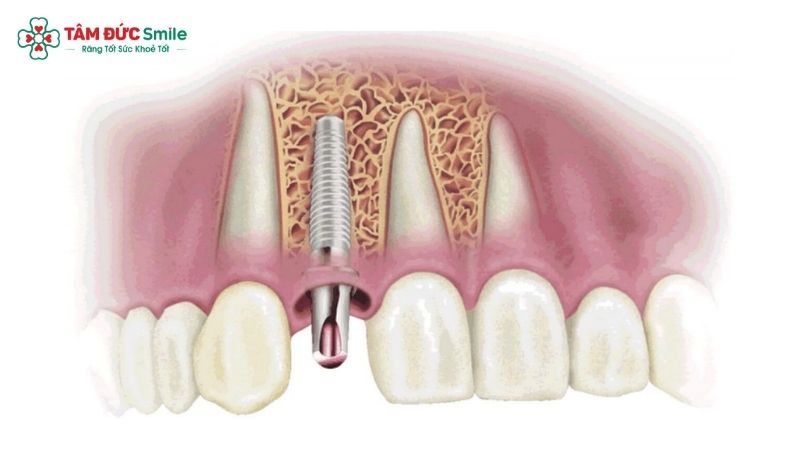
Understanding what to eat after dental implant surgery is one of the most important factors in achieving a smooth recovery and long-term implant success. Dental implant surgery is not just a cosmetic procedure; it is a surgical intervention that involves placing a titanium post into the jawbone, followed by a healing process called osseointegration. During this time, your body needs the right nutrients, textures, and eating habits to support tissue repair, reduce inflammation, and protect the surgical site.
A well-planned post dental implant diet directly influences how quickly and effectively your mouth heals. Poor food choices can cause irritation, infection, excessive pressure on the implant, or even implant failure in severe cases. On the other hand, following proper nutritional guidelines for implant healing helps stabilize the implant, minimizes discomfort, and promotes healthy gum and bone regeneration.
1.1 The Role of Nutrition in Implant Healing
After surgery, your body enters a repair phase. Blood clots form around the implant site, soft tissue begins to regenerate, and bone cells start bonding with the implant surface. This entire process is energy-intensive and nutrient-dependent.
Key benefits of a proper recovery diet include:
- Faster wound healing
- Reduced swelling and inflammation
- Lower risk of infection
- Improved comfort while eating
- Better long-term implant stability
A balanced diet rich in proteins, vitamins, and minerals supports collagen formation, immune response, and bone metabolism. That is why healing foods for dental surgery are not optional—they are essential.
1.2 How Food Choices Affect Osseointegration
Osseointegration is the biological process where the jawbone fuses with the implant. This process can take several weeks to months. During the early stages, the implant is particularly vulnerable to mechanical stress.
Hard, crunchy, or sticky foods can:
- Apply excessive force to the implant
- Disrupt blood clot formation
- Cause micro-movement that interferes with bone bonding
Following the correct implant diet timeline reduces these risks and ensures the implant remains undisturbed during critical healing stages.
1.3 Why Tam Duc Smile Dental Emphasizes Post-Surgery Diet
At Tam Duc Smile Dental, post-operative care is considered just as important as the implant procedure itself. Every patient receives personalized dietary guidance based on:
- Number of implants placed
- Bone condition
- Overall oral health
- Healing response
This patient-centered approach ensures that recommendations about what to eat after dental implant surgery are practical, safe, and effective.
2. Phase 1: First 24–48 Hours — Liquid & Very Soft Foods
The first 24–48 hours after implant surgery are the most critical. During this period, the surgical site is fresh, swelling is common, and blood clots are forming to protect the wound. Your diet must focus on minimizing irritation while providing hydration and gentle nourishment.
According to recovery guidelines, Dental implant – Recovery diet – Soft & liquid foods first 24–48 hours is essential to protect the implant site and surrounding tissue.
2.1 Primary Goals of the First 48 Hours Diet
During this phase, your goals should be:
- Avoid chewing near the implant site
- Prevent pressure or suction in the mouth
- Maintain hydration
- Reduce inflammation
This is why liquid foods after implant surgery are strongly recommended.
2.2 Recommended Foods in the First 24–48 Hours
Your meals should consist of liquids and extremely soft textures that require no chewing.
Best options include:
- Water (room temperature)
- Herbal teas (lukewarm)
- Clear broths
- Protein shakes (without seeds or chunks)
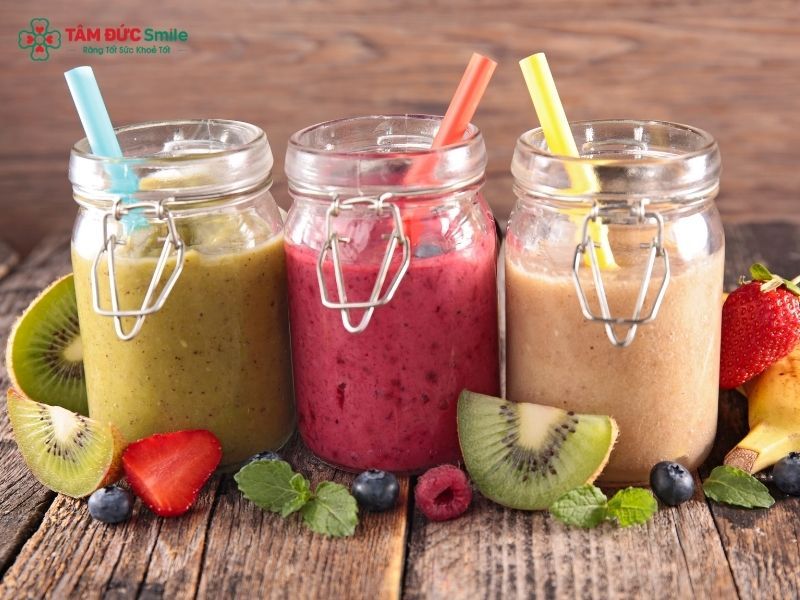
- Blended smoothies
When consuming smoothies, remember: Meal types – Smoothies – Fruit & veg blended without seeds. Seeds can lodge near the surgical site and cause irritation.
2.3 The Importance of Hydration
Hydration supports blood circulation, nutrient delivery, and toxin removal. Diet – Hydration requirement – Plenty of water is a fundamental rule during implant recovery.
Drink small sips throughout the day rather than large gulps. Avoid dehydration, which can slow healing and increase discomfort.
2.4 Foods and Habits to Avoid in This Phase
In the first 48 hours, avoid:
- Hot beverages (can dissolve blood clots)
- Alcohol (increases bleeding and inflammation)
- Carbonated drinks
- Acidic juices (orange, lemon)
Most importantly, follow this rule: Eating tips – Avoid straws – Prevent pressure on implant. Suction from straws can dislodge blood clots and delay healing.
3. Phase 2: First Week — Soft & Pureed Foods
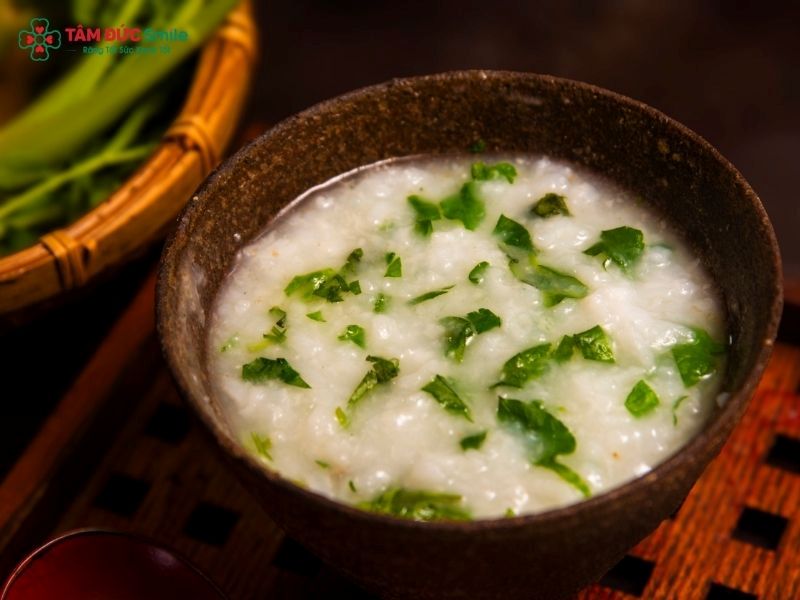
After the initial 48 hours, swelling typically begins to subside, but the implant site is still delicate. The focus now shifts from liquids to soft, easy-to-swallow foods that require minimal chewing.
This phase is central to soft foods after dental implant recovery and lays the foundation for successful healing.
3.1 Why Soft Foods Are Critical During the First Week
Chewing generates pressure. Even chewing on the opposite side of the mouth can create vibrations that affect the implant. That’s why Dietary phase – First week – Pureed foods & smoothies is recommended.
Soft foods:
- Protect the implant from stress
- Reduce gum irritation
- Provide necessary calories and nutrients
3.2 Best Soft and Pureed Food Choices
Recommended foods include:
- Mashed potatoes
- Applesauce
- Yogurt (plain or lightly flavored)
- Pudding and custard
- Oatmeal (well-cooked and cooled)
Soups are especially beneficial during this stage. Follow this guideline: Meal types – Soups – Broths & purees. Ensure soups are warm, not hot, and free of solid chunks.
3.3 Smoothies as a Nutritional Tool
Smoothies remain an excellent option throughout the first week. They are versatile and can deliver protein, vitamins, and calories in one serving.
Use ingredients such as:
- Bananas
- Soft berries (seed-free)
- Greek yogurt
- Protein powder
This aligns perfectly with smoothie diet post dental implant recommendations.
3.4 Common Mistakes to Avoid in the First Week
Even though you may feel better, avoid:
- Crunchy toppings (granola, nuts)
- Bread crusts
- Rice and small grains that can get stuck
- Spicy seasonings
Remember, foods to avoid after dental implant surgery are just as important as knowing what to eat.
4. Phase 3: Weeks 2–4 — Nutrient-Rich Soft Solids
As healing progresses, patients often ask: when can I eat solid food after implant surgery? The answer depends on how well the implant is stabilizing and how your gums are responding.
During weeks 2–4, most patients can gradually introduce nutrient-dense soft solids while still avoiding hard or chewy textures.
4.1 The Importance of Protein in This Phase
Protein is essential for tissue repair and bone regeneration. According to dietary guidance, Dental implant – Protein sources – Yogurt, scrambled eggs, soft tofu are ideal options during this phase.
Protein-rich foods help:
- Strengthen gum tissue
- Support bone healing
- Maintain energy levels
This makes protein rich foods post surgery a cornerstone of recovery nutrition.
4.2 Recommended Soft Solid Foods
At this stage, you can include:
- Scrambled eggs
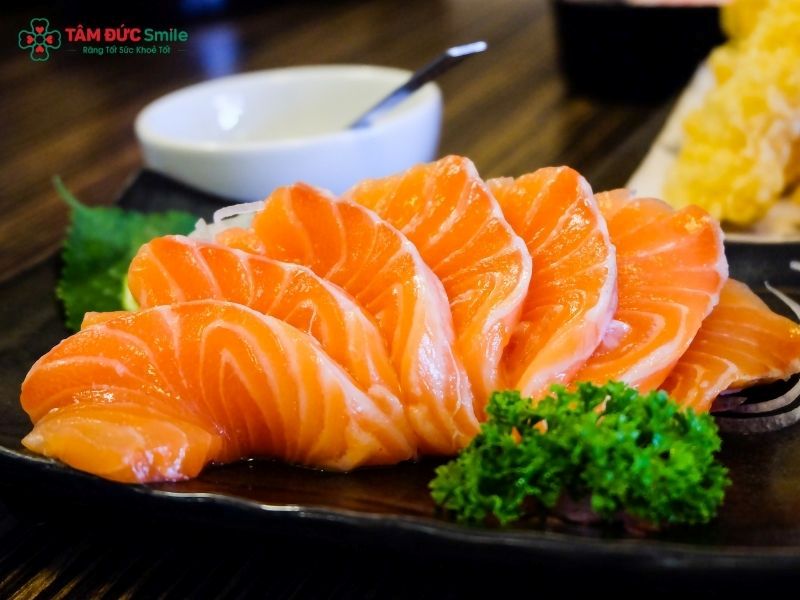
- Soft fish (steamed or baked)
- Soft pasta
- Cottage cheese
- Well-cooked vegetables
All foods should be easy to cut with a fork and require minimal chewing.
4.3 Vitamins and Minerals for Gum and Bone Health
Micronutrients play a critical role in healing. Nutrition – Key vitamins – Vitamin C, D, calcium are especially important after implant surgery.
- Vitamin C supports collagen production and gum healing
- Vitamin D aids calcium absorption
- Calcium strengthens bone structure
This is why vitamin rich foods for gum healing are emphasized in this phase.
4.4 Gradual Transition and Listening to Your Body
Even in weeks 2–4, you should progress slowly. If discomfort occurs, revert to softer foods for a few days. Healing is not linear, and each patient’s recovery timeline is unique.
5. Foods to Avoid During Recovery
Knowing what not to eat is just as important as knowing what to eat after dental implant surgery. Certain foods can compromise healing, increase pain, or even lead to implant complications.
5.1 Hard and Crunchy Foods
Hard textures place direct stress on the implant. According to recovery guidelines:
Foods to avoid – Hard foods – Nuts, chips, raw veggies.
These foods can:
- Cause micro-movement of the implant
- Irritate stitches
- Damage surrounding gum tissue
5.2 Sticky and Chewy Foods
Sticky foods adhere to teeth and implants, making them difficult to clean and increasing infection risk.
Foods to avoid – Sticky foods – Caramel, gum should be avoided throughout the early recovery period.
5.3 Spicy, Acidic, and Extreme Temperature Foods
Spicy and acidic foods can inflame healing tissue, while very hot or cold foods can increase sensitivity. Avoid:
- Chili peppers
- Vinegar-based dishes
- Citrus fruits
- Ice-cold desserts
5.4 Alcohol and Smoking
Although not foods, alcohol and smoking significantly interfere with healing. Alcohol increases bleeding and inflammation, while smoking restricts blood flow and oxygen delivery to the implant site.
Avoiding these habits is one of the most effective dental implant recovery tips.
Tam Duc Smile Dental Clinic – A Modern Nationwide Dental System
Tam Duc Smile Dental Clinic is a leading comprehensive dental system, offering a full range of oral healthcare services from basic to advanced treatments, including routine dental check-ups, cavity treatment, scaling and aesthetic fillings, teeth whitening, porcelain crowns and veneers, orthodontics, and dental implant placement. With a team of highly experienced and dedicated dentists, along with advanced technologies such as Cone Beam CT 3D imaging and CAD/CAM systems, Tam Duc Smile Dental Clinic is committed to delivering a perfect smile that is safe, durable, and long-lasting over time. Book your appointment today for a free consultation via Hotline 1900.8040
- 52 Tan Ky Tan Quy Street, Tay Thanh Ward, Ho Chi Minh City
- 140 Ly Thai To Street, Ban Co Ward, Ho Chi Minh City
- 76 Pham Hong Thai Street, Ben Thanh Ward, Ho Chi Minh City
- 708–720 Dien Bien Phu Street, Thanh My Tay Ward, Ho Chi Minh City
- 513 Hoang Van Thu Street, Tan Son Nhat Ward, Ho Chi Minh City
- 50 Le Van Viet Street, Tang Nhon Phu Ward, Ho Chi Minh City
- 1112 Huynh Tan Phat Street, Tan My Ward, Ho Chi Minh City
- 361 Phan Van Tri Street, Binh Loi Trung Ward, Ho Chi Minh City
- 128 Nguyen Oanh Street, Hanh Thong Ward, Ho Chi Minh City
- Hotline: 1900.8040 – 0329 851 079
- Opening hours: 08:00 AM – 07:30 PM; Sunday: 08:00 AM – 12:00 PM





Specialist Level I
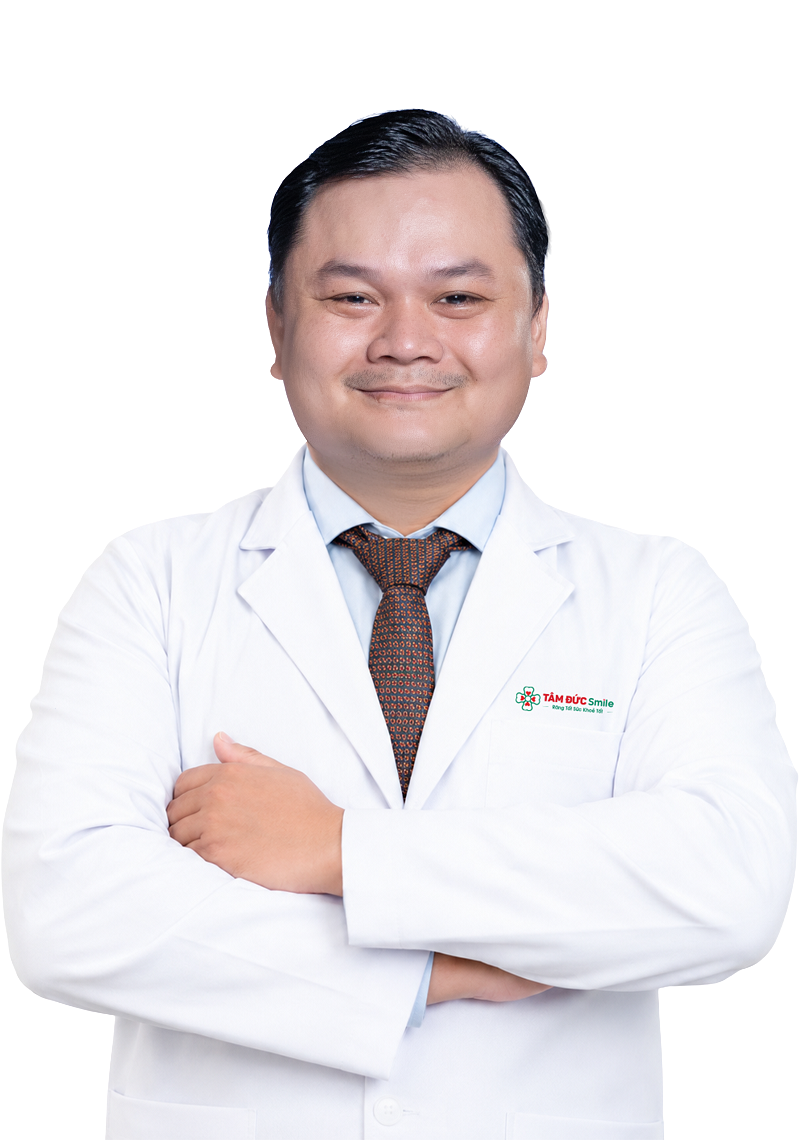
Pham Nguyen
Content medically reviewed
A Specialist Level I in Odonto-Stomatology (Dentistry), former Deputy Head of the Department at the Ho Chi Minh City Hospital of Odonto-Stomatology, with extensive experience in dental implantology, sinus lift procedures, and oral and maxillofacial surgery. He has obtained numerous advanced professional certifications both in Vietnam and internationally.
Xem thêm thông tinBÀI VIẾT LIÊN QUAN
Multiple Tooth Implants: Implant-Supported Bridge & Jawbone Care
Multiple Tooth Implants are an advanced solution for replacing several missing teeth using titanium implants...
Do Dental Implants Hurt? Pain Timeline, Recovery & What to Expect
Do dental implants hurt? This is one of the most common concerns for patients considering...
Dental Implant Surgery: Procedure, Costs, Recovery & Advanced Techniques
Dental implant surgery is a modern dental implant procedure designed to replace missing teeth through...
Dental Implant Components: Parts, Materials & Implant System Explained
Dental implant components are the foundation of a successful implant restoration, consisting of three main...
Dental Implant Cleaning Tools for Implant Hygiene and Maintenance Guide
Dental implant cleaning tools play a vital role in maintaining long-term implant health and preventing...
Dental Implant Bridge: Implant-Supported Fixed Tooth Replacement
A dental implant bridge is an advanced implant-supported bridge solution designed to replace multiple missing...