


 VI
VIZygomatic dental implants are an advanced solution for patients with severe upper jaw bone loss who are not candidates for traditional dental implants. These cheekbone dental implants use extra-long implants anchored in the dense zygomatic bone, eliminating the need for bone grafting and enabling immediate full-arch rehabilitation. The zygomatic implant procedure offers high implant stability, excellent success rates, and faster recovery and aftercare compared to graft-based treatments. Ideal candidacy criteria include failed grafts or extreme bone resorption, though potential risks and complications such as sinus involvement must be evaluated. At Tam Duc Smile Dental, zygomatic dental implant surgery is carefully planned and integrated with All-on-4 protocols to restore function, aesthetics, and long-term oral health.
1. What Are Zygomatic Dental Implants?
1.1 Definition and Core Concept
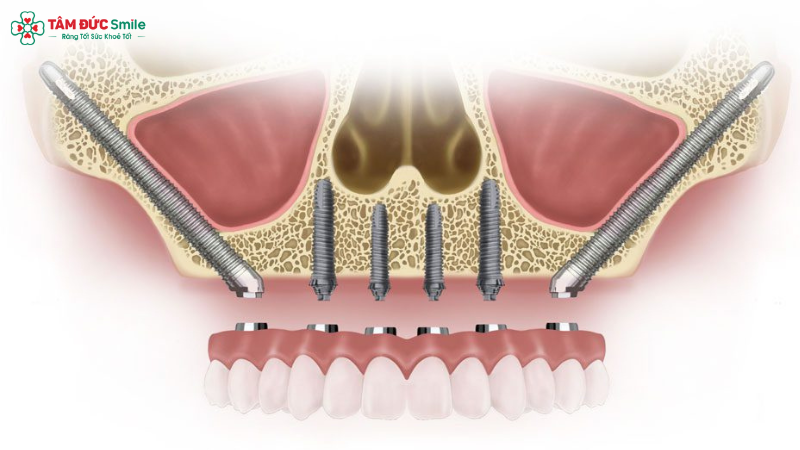
Zygomatic dental implants are a specialized form of dental implant therapy designed for patients who suffer from severe upper jaw bone loss and are not suitable candidates for traditional dental implants. Instead of being anchored into the maxillary (upper jaw) bone, these implants are placed into the cheekbone (zygomatic bone), which is significantly denser and more stable.
From a clinical perspective, the definition of zygomatic implants centers on their extra-long implant design. Unlike conventional implants that typically range from 8–15 mm in length, zygomatic dental implants can extend up to 30–55 mm. This extended length allows the implant to bypass the resorbed maxillary bone and gain firm anchorage in the zygoma, a strong facial bone that rarely undergoes resorption even in long-term edentulous patients.
1.2 Why the Zygomatic Bone Matters
The cheekbone dental implants concept exists because the zygoma provides an ideal anatomical foundation:
- It has high bone density, ensuring strong implant stability
- It maintains its structure despite long-term tooth loss
- It offers predictable anchorage without the need for bone grafting
For patients who have worn dentures for many years or experienced advanced periodontal disease, the upper jaw often becomes too thin or porous to support standard implants. In such cases, zygomatic dental implants provide a reliable and evidence-based alternative.
1.3 How Zygomatic Implants Differ From Traditional Implants
The main difference between zygomatic implants and traditional dental implants lies in their anchorage site and treatment philosophy.
- Traditional dental implants rely on sufficient jawbone volume and often require bone grafting or sinus lift procedures.
- Zygomatic dental implants eliminate the need for grafting by utilizing the cheekbone as the primary support structure.
This distinction makes zygomatic dental implant surgery particularly valuable for patients who have previously been told they are “not eligible for implants.”
2. Why Zygomatic Implants Are Needed
2.1 The Challenge of Upper Jaw Bone Loss
Upper jaw bone loss solutions are among the most complex issues in implant dentistry. Bone resorption in the maxilla progresses faster than in the lower jaw due to:
- Lower bone density
- Proximity to the maxillary sinus
- Long-term denture wear
- Advanced periodontal disease
As bone volume decreases, placing traditional dental implants becomes increasingly difficult or impossible without extensive preparatory surgery.
2.2 Limitations of Bone Grafting
Bone grafting has long been considered the standard solution for insufficient bone volume. However, grafting presents several challenges:
- Extended treatment time (often 9–18 months)
- Higher surgical morbidity
- Increased cost and patient discomfort
- Risk of graft failure or resorption
For many patients, these drawbacks make grafting an unattractive option. Zygomatic dental implants address these limitations by serving as a bone grafting alternative that significantly reduces treatment duration and complexity.
2.3 When Traditional Implants Are No Longer Viable
Patients who benefit most from zygomatic dental implants often fall into the following categories:
- Severe maxillary atrophy
- Failed bone grafting attempts
- Long-term denture wearers
- Previous implant failure in the upper jaw
In these cases, cheekbone dental implants provide a predictable solution that restores oral function and facial structure without relying on compromised bone.
3. Zygomatic Dental Implant Procedure: Step by Step
3.1 Pre-Surgical Assessment
Successful zygomatic dental implant surgery begins with comprehensive diagnosis and planning. This stage typically includes:
- 3D CBCT imaging
- Evaluation of sinus anatomy
- Assessment of cheekbone (zygomatic bone) volume and angulation
- Occlusal and prosthetic planning
Precise planning is critical due to the proximity of vital anatomical structures, including the sinus cavity and orbit.
3.2 Surgical Placement of Zygomatic Implants
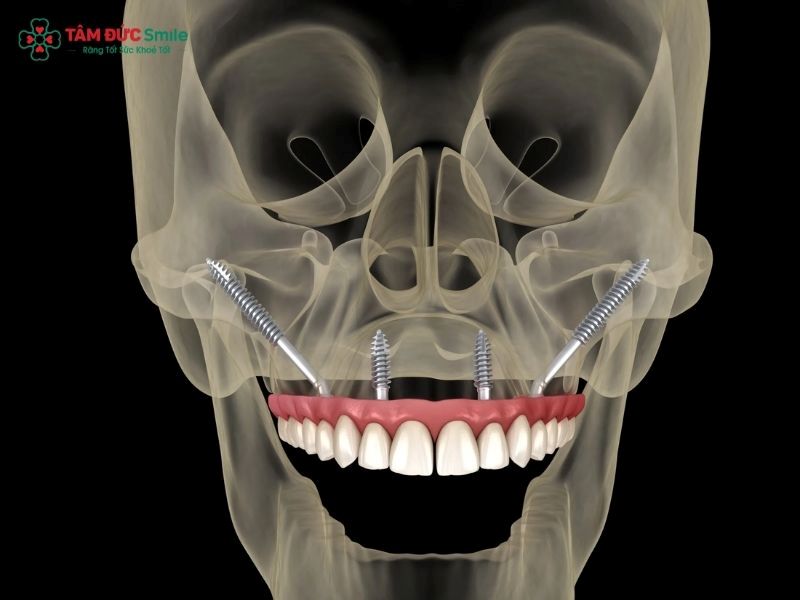
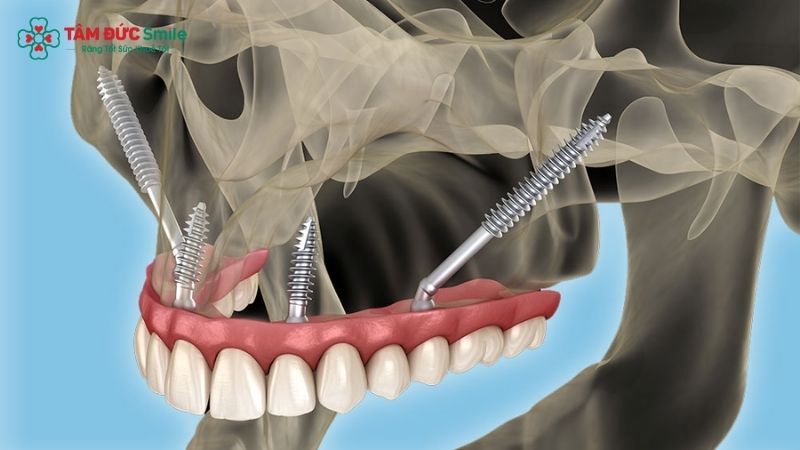
During zygomatic implant surgery, the implants are placed through the upper jaw and anchored into the zygoma. The procedure is usually performed under general anesthesia or deep sedation and takes approximately 3 hours, depending on case complexity.
Key surgical characteristics include:
- Use of extra-long implants
- Angled insertion to maximize stability
- Avoidance of bone grafting
- Immediate or early loading possibilities
Thanks to the density of the cheekbone, primary stability is often excellent, allowing for immediate provisional restoration in many cases.
3.3 Immediate Loading and Temporary Teeth
One of the major benefits of zygomatic implants is the potential for immediate function. In suitable cases, patients can receive a fixed temporary prosthesis within 24–72 hours after surgery.
This approach supports:
- Early chewing function
- Improved speech
- Enhanced patient comfort
- Psychological benefits from avoiding removable dentures
4. Who Is a Good Candidate for Zygomatic Dental Implants?
4.1 Candidacy Criteria
Candidacy criteria for zygoma implants are based on both anatomical and systemic factors. Ideal candidates typically include patients with:
- Severe upper jaw bone loss
- Inadequate bone for traditional dental implants
- History of failed bone grafting
- Good general health
A thorough medical evaluation is essential to ensure safety and long-term success.
4.2 Patients With Failed Implant Treatments
Many patients seek zygomatic dental implants after experiencing implant failure. In these cases, the remaining jawbone may be insufficient for retreatment with standard implants.
Cheekbone dental implants provide a second chance by anchoring into a completely different and more reliable bone structure.
4.3 Age and Lifestyle Considerations
There is no strict age limit for zygomatic dental implants. However, candidates should:
- Maintain good oral hygiene
- Be free from uncontrolled systemic diseases
- Understand the surgical nature of the procedure
For older patients, the shortened treatment timeline compared to grafting-based approaches is often a significant advantage.
5. Benefits of Zygomatic Dental Implants
5.1 Superior Stability Without Bone Grafting
One of the most important benefits of zygomatic implants is their strong stability. Because the zygoma is dense and resistant to resorption, implants achieve excellent anchorage even in advanced bone loss cases.
This eliminates the need for:
- Sinus lift procedures
- Large-scale bone grafting
- Multiple staged surgeries
5.2 Faster Treatment and Recovery Time
Compared to graft-dependent implant protocols, zygomatic dental implants offer a significantly shorter recovery time. Patients often complete treatment in months rather than years.
Reduced treatment time means:
- Fewer surgical interventions
- Lower overall discomfort
- Faster return to normal life
5.3 Full-Arch Rehabilitation Possibilities
Full-arch rehabilitation is one of the most common applications of zygomatic dental implants. By combining zygomatic implants with conventional implants in the anterior maxilla, clinicians can restore a full upper arch with a fixed prosthesis.
This approach delivers:
- Improved chewing efficiency
- Enhanced speech clarity
- Natural-looking aesthetics
5.4 Facial Aesthetic Improvement
Beyond oral function, zygomatic dental implants contribute to facial aesthetics by supporting facial tissues and preventing further collapse of the midface.
Patients often report:
- A more youthful facial profile
- Improved lip and cheek support
- Greater self-confidence
6. Risks and Considerations of Zygomatic Dental Implants
6.1 Surgical Complexity
While highly effective, zygomatic dental implant surgery is technically demanding. The procedure requires advanced training, precise planning, and extensive surgical experience.
Incorrect angulation or placement may increase the risk of complications, highlighting the importance of specialized expertise.
6.2 Potential Risks and Complications
As with any surgical intervention, zygomatic dental implants carry certain risks, including:
- Sinus-related complications
- Temporary swelling or bruising
- Infection if aftercare is inadequate
However, when performed by experienced clinicians, the implant success rate remains high.
6.3 Importance of Aftercare and Follow-Up
Long-term success depends on proper recovery and aftercare, including:
- Meticulous oral hygiene
- Regular follow-up visits
- Professional maintenance of the prosthesis
Patients who adhere to aftercare instructions typically enjoy excellent long-term outcomes.
Tam Duc Smile Dental Clinic – A Modern Nationwide Dental System
Tam Duc Smile Dental Clinic is a leading comprehensive dental system, offering a full range of oral healthcare services from basic to advanced treatments, including routine dental check-ups, cavity treatment, scaling and aesthetic fillings, teeth whitening, porcelain crowns and veneers, orthodontics, and dental implant placement. With a team of highly experienced and dedicated dentists, along with advanced technologies such as Cone Beam CT 3D imaging and CAD/CAM systems, Tam Duc Smile Dental Clinic is committed to delivering a perfect smile that is safe, durable, and long-lasting over time. Book your appointment today for a free consultation via Hotline 1900.8040
- 52 Tan Ky Tan Quy Street, Tay Thanh Ward, Ho Chi Minh City
- 140 Ly Thai To Street, Ban Co Ward, Ho Chi Minh City
- 76 Pham Hong Thai Street, Ben Thanh Ward, Ho Chi Minh City
- 708–720 Dien Bien Phu Street, Thanh My Tay Ward, Ho Chi Minh City
- 513 Hoang Van Thu Street, Tan Son Nhat Ward, Ho Chi Minh City
- 50 Le Van Viet Street, Tang Nhon Phu Ward, Ho Chi Minh City
- 1112 Huynh Tan Phat Street, Tan My Ward, Ho Chi Minh City
- 361 Phan Van Tri Street, Binh Loi Trung Ward, Ho Chi Minh City
- 128 Nguyen Oanh Street, Hanh Thong Ward, Ho Chi Minh City
- Hotline: 1900.8040 – 0329 851 079
- Opening hours: 08:00 AM – 07:30 PM; Sunday: 08:00 AM – 12:00 PM







Specialist Level I
Pham Nguyen
Content medically reviewed
A Specialist Level I in Odonto-Stomatology (Dentistry), former Deputy Head of the Department at the Ho Chi Minh City Hospital of Odonto-Stomatology, with extensive experience in dental implantology, sinus lift procedures, and oral and maxillofacial surgery. He has obtained numerous advanced professional certifications both in Vietnam and internationally.
Xem thêm thông tinBÀI VIẾT LIÊN QUAN
Multiple Tooth Implants: Implant-Supported Bridge & Jawbone Care
Multiple Tooth Implants are an advanced solution for replacing several missing teeth using titanium implants...
Do Dental Implants Hurt? Pain Timeline, Recovery & What to Expect
Do dental implants hurt? This is one of the most common concerns for patients considering...
Dental Implant Surgery: Procedure, Costs, Recovery & Advanced Techniques
Dental implant surgery is a modern dental implant procedure designed to replace missing teeth through...
Dental Implant Components: Parts, Materials & Implant System Explained
Dental implant components are the foundation of a successful implant restoration, consisting of three main...
Dental Implant Cleaning Tools for Implant Hygiene and Maintenance Guide
Dental implant cleaning tools play a vital role in maintaining long-term implant health and preventing...
Dental Implant Bridge: Implant-Supported Fixed Tooth Replacement
A dental implant bridge is an advanced implant-supported bridge solution designed to replace multiple missing...