


 VI
VIA bone graft for dental implant is a crucial solution when jawbone augmentation is needed to restore bone density for implants and ensure long-term dental implant stability. This bone grafting procedure places biocompatible materials at the implant site preparation stage, supporting natural osseointegration. Common types of bone graft include autograft vs allograft, xenograft bone graft, and synthetic bone grafts, with options like sinus lift graft for the upper jaw. The goal is to increase jawbone volume and density, with typical graft healing time of 3–6 months. At Tam Duc Smile Dental Clinic, advanced 3D imaging enables personalized planning, optimizing benefits while minimizing risks and cost.
1. What Is a Bone Graft?
A bone graft for dental implant is a surgical technique designed to rebuild areas of the jaw that lack sufficient bone to securely support an implant. In clinical terms, a dental bone graft acts as a biologic scaffold that encourages new bone formation, restoring bone density for implants and creating a stable foundation.
From a biological perspective, the graft material integrates with the existing jawbone through osseointegration, a process in which new bone cells grow and fuse with the graft. This integration is essential for long-term dental implant stability. Without adequate bone volume and density, implants may fail to anchor properly, compromising both function and longevity.
At Tam Duc Smile Dental, bone grafting is carefully planned using advanced imaging to ensure the graft matches the patient’s anatomical needs and implant goals.

2. Why Bone Graft Is Needed Before Implants?
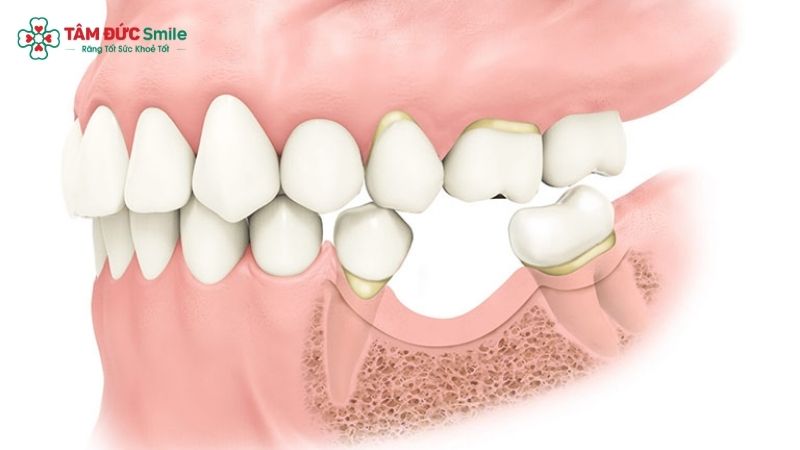
Bone grafting becomes necessary when the jawbone has resorbed or weakened, most commonly due to prolonged tooth loss, periodontal disease, trauma, or infection. After a tooth is lost, the surrounding bone no longer receives stimulation, leading to gradual volume loss. This makes implant site preparation critical before implant placement.
A bone grafting procedure restores lost structure through jawbone augmentation, allowing implants to be placed in an ideal position and angle. Adequate bone also ensures proper load distribution during chewing, reducing stress on the implant and surrounding tissues.
In cases of reduced bone density for implants, skipping grafting significantly increases the risk of implant instability or failure. Proper grafting directly improves predictability, safety, and long-term success.
3. Types of Bone Grafts for Dental Implants
Several types of bone graft materials are used in modern implant dentistry, each selected based on defect size, healing expectations, and patient health.
3.1. Autograft
An autograft uses bone harvested from the patient’s own body. It offers excellent biocompatibility and rapid osseointegration, but requires an additional surgical site.
3.2. Allograft
An allograft is donor bone that has been thoroughly processed for safety. It eliminates the need for a second surgical site and is widely used for moderate bone defects.
3.3. Xenograft Bone Graft
A xenograft bone graft is derived from animal sources, commonly bovine bone. It maintains volume well and supports gradual replacement by natural bone over time.
3.4. Synthetic Bone Grafts
Synthetic bone grafts are biocompatible materials engineered to stimulate bone growth. They offer consistency and eliminate biological sourcing concerns.
Each option has specific risks and benefits, and selection is tailored to ensure optimal healing and implant outcomes.
4. Bone Grafting Procedure
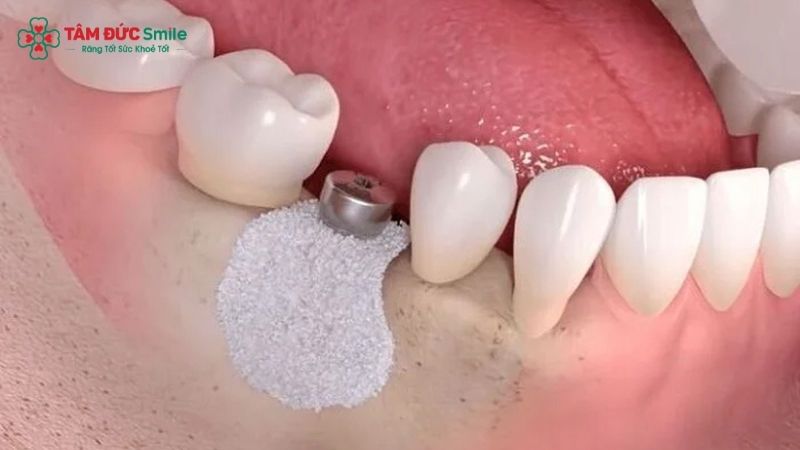
The bone grafting procedure begins with a comprehensive examination, including 3D imaging to assess bone volume and determine the precise graft requirements. This diagnostic phase ensures accurate implant site preparation.
4.1. Surgical Steps
- Cleaning and preparing the graft site
- Placement of the selected graft material
- Stabilization and closure of the surgical area
In certain upper-jaw cases, a sinus lift graft may be performed to increase vertical bone height before implant placement.
4.2. Initial Recovery
Following surgery, patients may experience mild swelling or discomfort. Over the next several months, the graft undergoes biological remodeling, leading to sufficient bone density for implants and readiness for the implant phase.
When performed with proper planning and technique, bone grafting significantly enhances implant predictability and long-term success.
Tam Duc Smile Dental Clinic – A Modern Nationwide Dental System
Tam Duc Smile Dental Clinic is a leading comprehensive dental system, offering a full range of oral healthcare services from basic to advanced treatments, including routine dental check-ups, cavity treatment, scaling and aesthetic fillings, teeth whitening, porcelain crowns and veneers, orthodontics, and dental implant placement. With a team of highly experienced and dedicated dentists, along with advanced technologies such as Cone Beam CT 3D imaging and CAD/CAM systems, Tam Duc Smile Dental Clinic is committed to delivering a perfect smile that is safe, durable, and long-lasting over time. Book your appointment today for a free consultation via Hotline 1900.8040
- 52 Tan Ky Tan Quy Street, Tay Thanh Ward, Ho Chi Minh City
- 140 Ly Thai To Street, Ban Co Ward, Ho Chi Minh City
- 76 Pham Hong Thai Street, Ben Thanh Ward, Ho Chi Minh City
- 708–720 Dien Bien Phu Street, Thanh My Tay Ward, Ho Chi Minh City
- 513 Hoang Van Thu Street, Tan Son Nhat Ward, Ho Chi Minh City
- 50 Le Van Viet Street, Tang Nhon Phu Ward, Ho Chi Minh City
- 1112 Huynh Tan Phat Street, Tan My Ward, Ho Chi Minh City
- 361 Phan Van Tri Street, Binh Loi Trung Ward, Ho Chi Minh City
- 128 Nguyen Oanh Street, Hanh Thong Ward, Ho Chi Minh City
- Hotline: 1900.8040 – 0329 851 079
- Opening hours: 08:00 AM – 07:30 PM; Sunday: 08:00 AM – 12:00 PM







Specialist Level I
Pham Nguyen
Content medically reviewed
A Specialist Level I in Odonto-Stomatology (Dentistry), former Deputy Head of the Department at the Ho Chi Minh City Hospital of Odonto-Stomatology, with extensive experience in dental implantology, sinus lift procedures, and oral and maxillofacial surgery. He has obtained numerous advanced professional certifications both in Vietnam and internationally.
Xem thêm thông tinBÀI VIẾT LIÊN QUAN
Multiple Tooth Implants: Implant-Supported Bridge & Jawbone Care
Multiple Tooth Implants are an advanced solution for replacing several missing teeth using titanium implants...
Do Dental Implants Hurt? Pain Timeline, Recovery & What to Expect
Do dental implants hurt? This is one of the most common concerns for patients considering...
Dental Implant Surgery: Procedure, Costs, Recovery & Advanced Techniques
Dental implant surgery is a modern dental implant procedure designed to replace missing teeth through...
Dental Implant Components: Parts, Materials & Implant System Explained
Dental implant components are the foundation of a successful implant restoration, consisting of three main...
Dental Implant Cleaning Tools for Implant Hygiene and Maintenance Guide
Dental implant cleaning tools play a vital role in maintaining long-term implant health and preventing...
Dental Implant Bridge: Implant-Supported Fixed Tooth Replacement
A dental implant bridge is an advanced implant-supported bridge solution designed to replace multiple missing...