


 VI
VIPorcelain veneers are ultra-thin dental porcelain shells designed to enhance smiles through advanced cosmetic dentistry. As a key solution in modern smile makeovers, porcelain veneers effectively correct tooth discoloration, chips, gaps, and shape irregularities while preserving natural tooth structure with minimal enamel reduction. The porcelain veneer procedure involves careful tooth preparation, precise bonding techniques, and long-term durability, offering excellent veneer longevity and stain resistance. Compared with porcelain vs composite veneers, porcelain options deliver superior aesthetics and strength. At Tam Duc Smile Dental Clinic, patients receive personalized veneer treatment plans, expert care, and professional guidance on veneer benefits, costs, risks, and maintenance for lasting, natural-looking results.
1. Porcelain Veneers – Definition and Core Concept
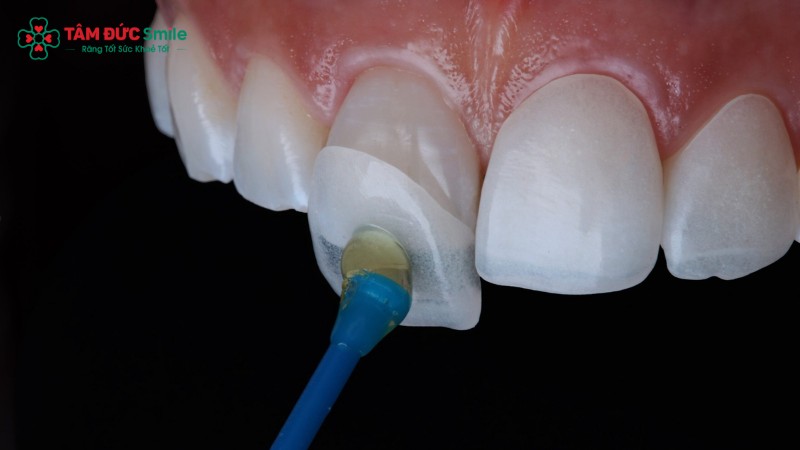
Porcelain veneers are ultra-thin porcelain shells designed to cover the front surface of natural teeth in order to enhance aesthetics while preserving tooth structure. In cosmetic dentistry, they are considered one of the most predictable solutions for achieving a smile makeover with a highly natural appearance.
Made from dental porcelain (ceramic material), porcelain veneers closely mimic the translucency, color depth, and light reflection of natural enamel. With an average thickness of 0.2–0.5 mm, they allow for minimal enamel reduction, making them a conservative yet effective restorative option.
From a clinical perspective, porcelain veneers are primarily indicated for patients seeking long-term aesthetic improvement rather than temporary cosmetic correction.
2. How Porcelain Veneers Work
2.1 Consultation and Veneer Candidate Assessment
The process begins with a comprehensive consultation to determine whether the patient is a suitable veneer candidate. Key evaluation criteria include oral health status, enamel thickness, bite alignment, and aesthetic expectations. Patients with healthy gums, sufficient enamel, and no active periodontal disease are ideal candidates for porcelain veneers.
2.2 Tooth Preparation and Veneer Design
During the veneer preparation phase, a minimal layer of enamel is gently reshaped to create space for the porcelain shell. This conservative approach supports natural tooth preservation while ensuring optimal veneer fit. Digital impressions or physical molds are then taken to design veneers that match the patient’s facial harmony, tooth proportion, and smile line.
2.3 Veneer Bonding Technique
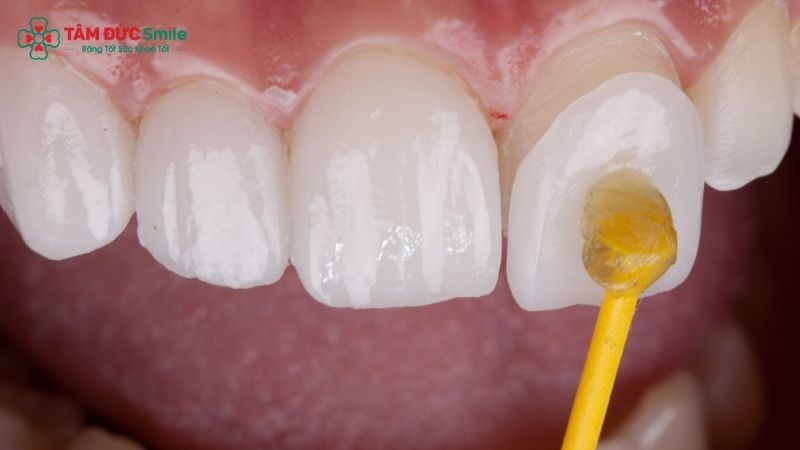
Once fabricated, veneers are permanently attached using an advanced veneer bonding technique. High-strength dental adhesive ensures long-term retention, stability, and seamless integration with natural teeth. Proper bonding is critical for achieving durability, comfort, and natural aesthetics.
3. Benefits of Porcelain Veneers
3.1 Aesthetic and Functional Advantages
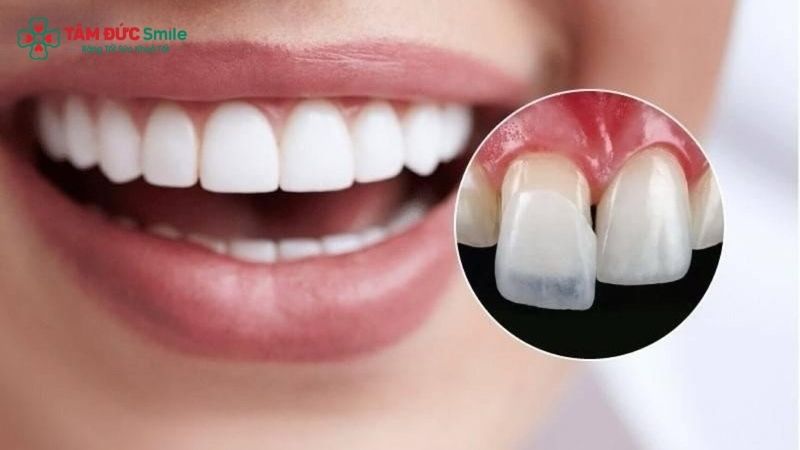
Among all dental veneers, porcelain veneers offer superior aesthetics. They effectively correct tooth discoloration, minor chips, small gaps, and irregular tooth shapes, delivering a balanced and confident smile. Their color stability and translucency make them visually indistinguishable from natural enamel.
3.2 Longevity and Material Performance
With proper care, porcelain veneer longevity typically ranges from 10–15 years or longer. The ceramic material is highly resistant to staining from coffee, tea, or tobacco, making porcelain veneers a durable cosmetic solution. Compared to composite alternatives, they retain brightness and structural integrity over time.
3.3 Confidence and Smile Transformation
Clinically, one of the most significant benefits of porcelain veneers is their ability to deliver a complete smile makeover with minimal invasiveness, improving both psychological confidence and social comfort for patients.
4. Who Is a Good Candidate for Porcelain Veneers?
Ideal candidates for porcelain veneers include individuals with:
- Healthy gums and stable oral hygiene habits
- Adequate enamel for bonding
- Mild to moderate cosmetic concerns
- Realistic expectations regarding outcomes
Patients with severe tooth decay, active gum disease, or heavy bruxism may require alternative treatments or protective planning before considering porcelain veneers. A professional evaluation is essential to determine long-term success and safety.
5. Porcelain Veneers vs Composite Veneers
When comparing porcelain vs composite veneers, several clinical distinctions are important:
- Veneer materials: Porcelain veneers use high-grade ceramic, while composite veneers are resin-based
- Aesthetic quality: Porcelain offers superior translucency and color stability
- Durability: Porcelain veneers last significantly longer than composite veneers
- Maintenance: Composite veneers stain more easily and require more frequent polishing or replacement
Although composite veneers may have a lower initial veneer cost, porcelain veneers are often more cost-effective long-term due to their durability, strength, and aesthetic stability.
At Tam Duc Smile Dental, porcelain veneers are designed with a personalized, minimally invasive approach to ensure both functional integrity and long-lasting aesthetic excellence.
Tam Duc Smile Dental Clinic – A Modern Nationwide Dental System
Tam Duc Smile Dental Clinic is a leading comprehensive dental system, offering a full range of oral healthcare services from basic to advanced treatments, including routine dental check-ups, cavity treatment, scaling and aesthetic fillings, teeth whitening, porcelain crowns and veneers, orthodontics, and dental implant placement. With a team of highly experienced and dedicated dentists, along with advanced technologies such as Cone Beam CT 3D imaging and CAD/CAM systems, Tam Duc Smile Dental Clinic is committed to delivering a perfect smile that is safe, durable, and long-lasting over time. Book your appointment today for a free consultation via Hotline 1900.8040
- 52 Tan Ky Tan Quy Street, Tay Thanh Ward, Ho Chi Minh City
- 140 Ly Thai To Street, Ban Co Ward, Ho Chi Minh City
- 76 Pham Hong Thai Street, Ben Thanh Ward, Ho Chi Minh City
- 708–720 Dien Bien Phu Street, Thanh My Tay Ward, Ho Chi Minh City
- 513 Hoang Van Thu Street, Tan Son Nhat Ward, Ho Chi Minh City
- 50 Le Van Viet Street, Tang Nhon Phu Ward, Ho Chi Minh City
- 1112 Huynh Tan Phat Street, Tan My Ward, Ho Chi Minh City
- 361 Phan Van Tri Street, Binh Loi Trung Ward, Ho Chi Minh City
- 128 Nguyen Oanh Street, Hanh Thong Ward, Ho Chi Minh City
- Hotline: 1900.8040 – 0329 851 079
- Opening hours: 08:00 AM – 07:30 PM; Sunday: 08:00 AM – 12:00 PM







Specialist Level I
Pham Nguyen
Content medically reviewed
A Specialist Level I in Odonto-Stomatology (Dentistry), former Deputy Head of the Department at the Ho Chi Minh City Hospital of Odonto-Stomatology, with extensive experience in dental implantology, sinus lift procedures, and oral and maxillofacial surgery. He has obtained numerous advanced professional certifications both in Vietnam and internationally.
Xem thêm thông tinBÀI VIẾT LIÊN QUAN
Multiple Tooth Implants: Implant-Supported Bridge & Jawbone Care
Multiple Tooth Implants are an advanced solution for replacing several missing teeth using titanium implants...
Do Dental Implants Hurt? Pain Timeline, Recovery & What to Expect
Do dental implants hurt? This is one of the most common concerns for patients considering...
Dental Implant Surgery: Procedure, Costs, Recovery & Advanced Techniques
Dental implant surgery is a modern dental implant procedure designed to replace missing teeth through...
Dental Implant Components: Parts, Materials & Implant System Explained
Dental implant components are the foundation of a successful implant restoration, consisting of three main...
Dental Implant Cleaning Tools for Implant Hygiene and Maintenance Guide
Dental implant cleaning tools play a vital role in maintaining long-term implant health and preventing...
Dental Implant Bridge: Implant-Supported Fixed Tooth Replacement
A dental implant bridge is an advanced implant-supported bridge solution designed to replace multiple missing...