


 VI
VIBad dental implants are a growing concern, as dental implant failure and dental implant complications can affect both function and comfort. Common causes of bad dental implants include osseointegration failure, infection after dental implants, peri-implantitis, and risk factors such as smoking, uncontrolled diabetes, or poor oral hygiene. Typical symptoms of failing dental implants involve pain, swelling, gum recession, implant mobility, and nerve damage dental implant issues. Accurate diagnosis relies on clinical exams and imaging, while treatment for failed implants may involve antibiotics, surgery, or replacement. At Tam Duc Smile Dental Clinic, patients benefit from experienced specialists, advanced planning, and comprehensive prevention strategies to reduce implant rejection and long-term side effects.
1. What Are Bad Dental Implants?
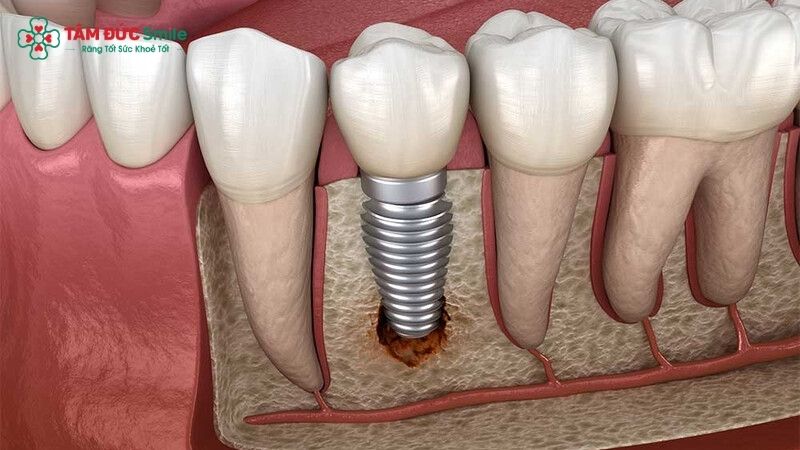
Bad dental implants refer to dental implants that do not integrate properly with the jawbone or develop complications during or after treatment. Although dental implants generally have a high success rate, failures can still occur due to biological, mechanical, or procedural factors. From a clinical perspective, a dental implant failure is diagnosed when the implant loses stability, causes persistent symptoms, or negatively affects surrounding tissues.
It is important to distinguish between normal post-operative discomfort and true complications. Mild swelling or soreness shortly after surgery is expected, while ongoing pain, mobility, or inflammation may indicate dental implant complications that require professional intervention.
2. Causes of Bad Dental Implants
2.1 Osseointegration Failure
Osseointegration failure occurs when the implant does not fuse correctly with the jawbone. This may result from insufficient bone density, excessive loading, or poor healing response.
2.2 Infection and Peri-implantitis
Bacterial infection around the implant can lead to peri-implantitis, characterized by inflammation, bone loss, and eventual implant loosening. This is one of the most common causes of bad dental implants.
2.3 Patient-Related Risk Factors
Several risk factors for implant failure significantly increase complications, including smoking, uncontrolled diabetes, poor oral hygiene, and teeth grinding (bruxism).
2.4 Surgical and Planning Errors
Improper implant positioning, inadequate pre-surgical assessment, or lack of digital planning may result in nerve damage, sinus complications, or long-term instability.
3. Symptoms of Failing Dental Implants
3.1 Pain and Discomfort
Persistent pain beyond the normal healing period is a key sign among symptoms of failing dental implants and should never be ignored.
3.2 Swelling and Bleeding
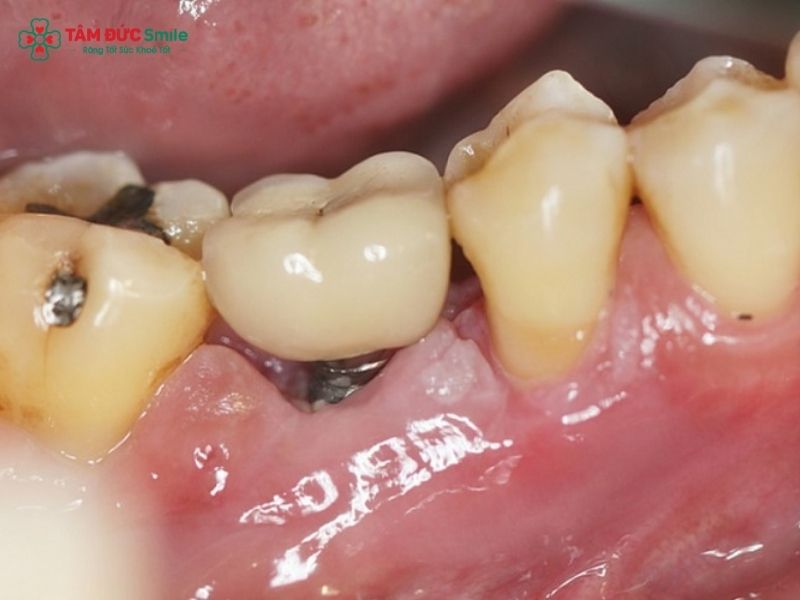
Ongoing swelling, redness, or bleeding around the implant site may indicate infection after dental implants.
3.3 Implant Mobility
A healthy implant should feel solid. Any looseness is a strong indicator of osseointegration failure.
3.4 Gum Recession and Inflammation
Gum recession implants can expose the implant surface, increasing bacterial accumulation and accelerating failure.
4. Complications of Bad Dental Implants
4.1 Peri-implantitis and Bone Loss
Untreated inflammation can cause progressive bone destruction, ultimately leading to implant loss.
4.2 Nerve Damage
Improper implant placement may result in nerve damage dental implant, causing numbness, tingling, or chronic pain in the lips, chin, or tongue.
4.3 Sinus Problems
In the upper jaw, implants placed too close to the sinus cavity may lead to sinus problems dental implants, including sinusitis or perforation.
4.4 Long-Term Consequences
If left untreated, bad dental implants can compromise oral function, aesthetics, and overall health, while increasing treatment complexity and cost.
5. Diagnosing Dental Implant Failure
5.1 Clinical Examination
Dentists assess implant stability, gum condition, and patient-reported symptoms such as pain or discomfort.
5.2 Imaging Techniques
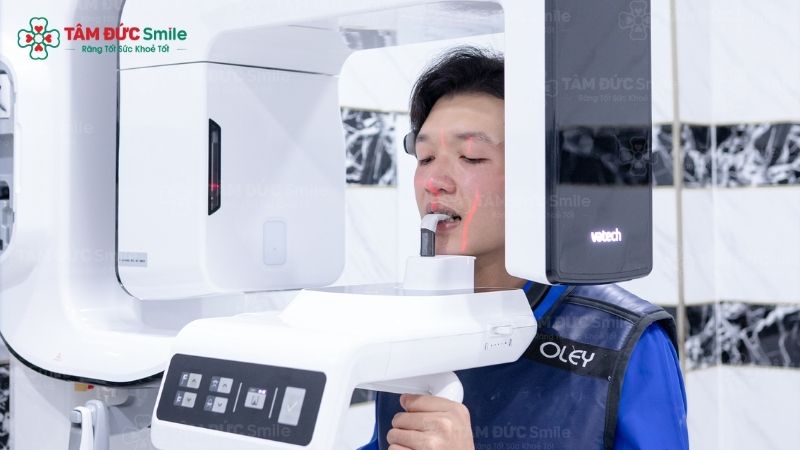
X-rays and CBCT scans are essential to evaluate bone loss, implant position, and surrounding anatomical structures.
5.3 Periodontal Assessment
Measuring pocket depth and inflammation helps confirm dental implant complications such as peri-implantitis.
6. Treatment for Failed Implants
6.1 Non-Surgical Management
Early-stage complications may be managed with professional cleaning, improved hygiene, and targeted antibiotic therapy.
6.2 Surgical Intervention
Advanced cases often require surgical decontamination, bone grafting, or complete implant removal.
6.3 Implant Replacement or Alternatives
After adequate healing, implants may be replaced, or alternative restorative options can be considered based on patient condition.
6.4 Prevention for Long-Term Success
Effective how to prevent implant complications strategies include thorough pre-treatment planning, selecting experienced clinicians, maintaining excellent oral hygiene, and regular follow-up visits—core principles emphasized in implant care at Tam Duc Smile Dental.
Tam Duc Smile Dental Clinic – A Modern Nationwide Dental System
Tam Duc Smile Dental Clinic is a leading comprehensive dental system, offering a full range of oral healthcare services from basic to advanced treatments, including routine dental check-ups, cavity treatment, scaling and aesthetic fillings, teeth whitening, porcelain crowns and veneers, orthodontics, and dental implant placement. With a team of highly experienced and dedicated dentists, along with advanced technologies such as Cone Beam CT 3D imaging and CAD/CAM systems, Tam Duc Smile Dental Clinic is committed to delivering a perfect smile that is safe, durable, and long-lasting over time. Book your appointment today for a free consultation via Hotline 1900.8040
- 52 Tan Ky Tan Quy Street, Tay Thanh Ward, Ho Chi Minh City
- 140 Ly Thai To Street, Ban Co Ward, Ho Chi Minh City
- 76 Pham Hong Thai Street, Ben Thanh Ward, Ho Chi Minh City
- 708–720 Dien Bien Phu Street, Thanh My Tay Ward, Ho Chi Minh City
- 513 Hoang Van Thu Street, Tan Son Nhat Ward, Ho Chi Minh City
- 50 Le Van Viet Street, Tang Nhon Phu Ward, Ho Chi Minh City
- 1112 Huynh Tan Phat Street, Tan My Ward, Ho Chi Minh City
- 361 Phan Van Tri Street, Binh Loi Trung Ward, Ho Chi Minh City
- 128 Nguyen Oanh Street, Hanh Thong Ward, Ho Chi Minh City
- Hotline: 1900.8040 – 0329 851 079
- Opening hours: 08:00 AM – 07:30 PM; Sunday: 08:00 AM – 12:00 PM







Specialist Level I
Pham Nguyen
Content medically reviewed
A Specialist Level I in Odonto-Stomatology (Dentistry), former Deputy Head of the Department at the Ho Chi Minh City Hospital of Odonto-Stomatology, with extensive experience in dental implantology, sinus lift procedures, and oral and maxillofacial surgery. He has obtained numerous advanced professional certifications both in Vietnam and internationally.
Xem thêm thông tinBÀI VIẾT LIÊN QUAN
Multiple Tooth Implants: Implant-Supported Bridge & Jawbone Care
Multiple Tooth Implants are an advanced solution for replacing several missing teeth using titanium implants...
Do Dental Implants Hurt? Pain Timeline, Recovery & What to Expect
Do dental implants hurt? This is one of the most common concerns for patients considering...
Dental Implant Surgery: Procedure, Costs, Recovery & Advanced Techniques
Dental implant surgery is a modern dental implant procedure designed to replace missing teeth through...
Dental Implant Components: Parts, Materials & Implant System Explained
Dental implant components are the foundation of a successful implant restoration, consisting of three main...
Dental Implant Cleaning Tools for Implant Hygiene and Maintenance Guide
Dental implant cleaning tools play a vital role in maintaining long-term implant health and preventing...
Dental Implant Bridge: Implant-Supported Fixed Tooth Replacement
A dental implant bridge is an advanced implant-supported bridge solution designed to replace multiple missing...