

 VI
VIChoosing the right implant materials is a critical factor in the long-term success of dental implants. Today’s most widely used dental implant materials include titanium dental implants, titanium alloy, and zirconia implants, each offering different levels of biocompatibility, osseointegration, durability, and aesthetics. While titanium implants are known for excellent bone integration and strength, zirconia implants provide a metal-free, tooth-colored alternative ideal for high-aesthetic areas. Additional elements such as implant surface coatings, hydroxyapatite, and implant crown materials (ceramic or porcelain) also influence outcomes and implant material cost. At Tam Duc Smile Dental Clinic, implant materials are carefully selected based on clinical safety, function, and long-term value for each patient.
1. What Are Dental Implant Materials?
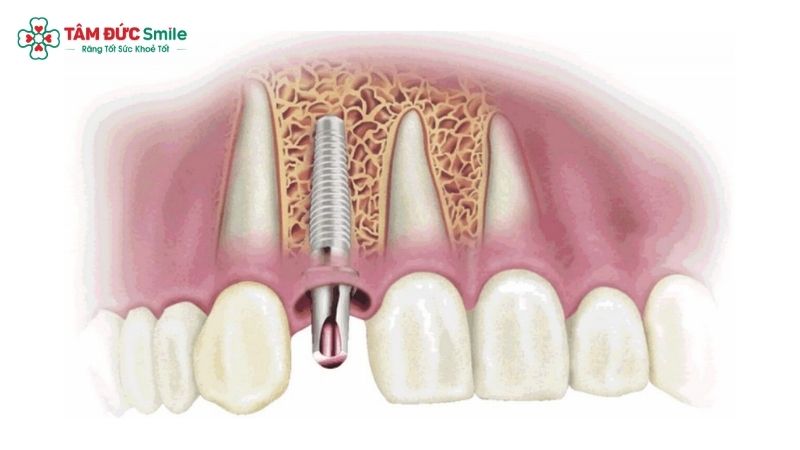
Implant materials refer to the substances used to manufacture the components of a dental implant system, primarily the implant fixture that is placed into the jawbone, along with related parts such as abutments and crowns. In modern implantology, the choice of dental implant materials plays a decisive role in treatment success, long-term stability, and patient safety.
From a clinical perspective, implant materials must meet strict requirements: high biocompatibility, resistance to corrosion, sufficient mechanical strength, and the ability to support osseointegration materials—the biological process in which bone bonds directly to the implant surface. Materials that fail to meet these standards may lead to inflammation, implant loosening, or long-term failure.
At Tam Duc Smile Dental, implant materials are selected based on scientific evidence, individual bone conditions, and functional demands to ensure optimal outcomes for each patient.
2. Major Types of Implant Materials
2.1 Titanium Dental Implants
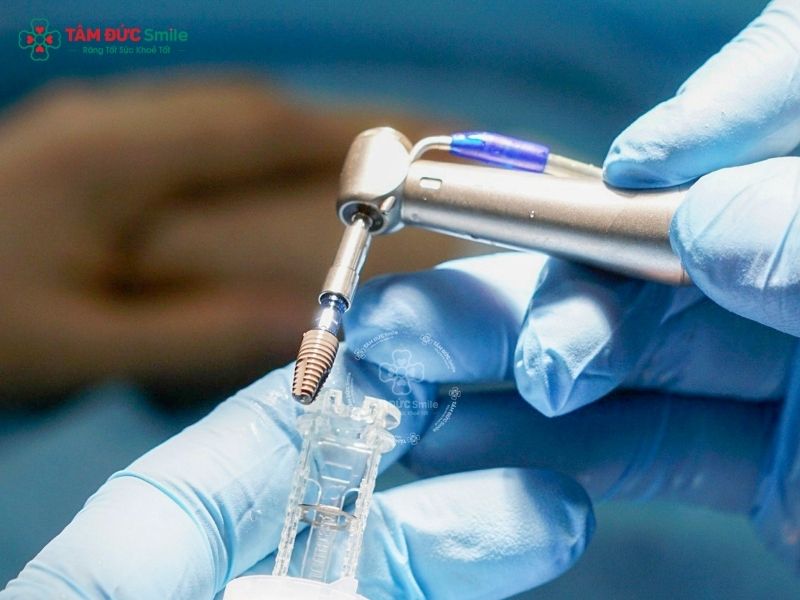
Titanium dental implants are considered the gold standard in implant dentistry. Made from commercially pure titanium or titanium alloy in implants, this material is widely used due to its exceptional biocompatibility and mechanical strength.
Clinically, titanium demonstrates a unique ability to form a stable bond with bone, supporting reliable osseointegration materials and long-term implant durability. Titanium implants also tolerate high chewing forces, making them suitable for both anterior and posterior restorations. In addition, their long clinical history provides extensive data on safety and success rates.
2.2 Zirconia Implants
Zirconia implants are a ceramic, metal-free alternative increasingly chosen by patients with metal sensitivities or high aesthetic demands. As part of modern ceramic implant materials, zirconia offers a natural tooth-colored appearance, which is especially advantageous in the aesthetic zone.
From a biological standpoint, zirconia also shows favorable implant material biocompatibility, with low plaque accumulation and good soft-tissue response. However, compared to titanium, zirconia may be more brittle, requiring careful case selection and precise surgical planning.
2.3 Other Ceramic Implant Materials and Polymers
Beyond titanium and zirconia, research continues into advanced ceramic implant materials and polymer implant materials. These materials aim to combine strength, flexibility, and enhanced biological response. While polymers remain largely experimental, they represent a promising direction for future metal-free implant solutions.
3. Implant Surface Design and Implant Surface Coatings
The performance of implant materials is not defined solely by their core composition, but also by surface design. Modern implants often incorporate specialized implant surface coatings to enhance bone-to-implant contact.
One widely used approach involves hydroxyapatite coatings, which mimic the mineral structure of natural bone. These coatings accelerate bone healing and improve early stability by promoting faster and stronger osseointegration. Surface roughening techniques and bioactive treatments further improve the interaction between implant materials and surrounding bone tissue.
At Tam Duc Smile Dental, implant systems with proven surface technologies are prioritized to maximize initial stability and long-term success.
4. Biocompatibility and Osseointegration Materials
Biocompatibility is one of the most critical attributes of all implant materials. A biocompatible implant does not trigger adverse immune reactions and allows surrounding tissues to heal naturally. Materials with poor compatibility increase the risk of inflammation, peri-implantitis, and implant failure.
Equally important is the role of osseointegration materials, which directly influence how effectively bone cells attach to the implant surface. Titanium and zirconia excel in this area, supporting predictable bone remodeling and long-term load distribution.
In clinical practice, the careful evaluation of implant material biocompatibility, bone quality, and patient health ensures that each implant placed at Tam Duc Smile Dental delivers both functional reliability and long-lasting results.
Tam Duc Smile Dental Clinic – A Modern Nationwide Dental System
Tam Duc Smile Dental Clinic is a leading comprehensive dental system, offering a full range of oral healthcare services from basic to advanced treatments, including routine dental check-ups, cavity treatment, scaling and aesthetic fillings, teeth whitening, porcelain crowns and veneers, orthodontics, and dental implant placement. With a team of highly experienced and dedicated dentists, along with advanced technologies such as Cone Beam CT 3D imaging and CAD/CAM systems, Tam Duc Smile Dental Clinic is committed to delivering a perfect smile that is safe, durable, and long-lasting over time. Book your appointment today for a free consultation via Hotline 1900.8040
- 52 Tan Ky Tan Quy Street, Tay Thanh Ward, Ho Chi Minh City
- 140 Ly Thai To Street, Ban Co Ward, Ho Chi Minh City
- 76 Pham Hong Thai Street, Ben Thanh Ward, Ho Chi Minh City
- 708–720 Dien Bien Phu Street, Thanh My Tay Ward, Ho Chi Minh City
- 513 Hoang Van Thu Street, Tan Son Nhat Ward, Ho Chi Minh City
- 50 Le Van Viet Street, Tang Nhon Phu Ward, Ho Chi Minh City
- 1112 Huynh Tan Phat Street, Tan My Ward, Ho Chi Minh City
- 361 Phan Van Tri Street, Binh Loi Trung Ward, Ho Chi Minh City
- 128 Nguyen Oanh Street, Hanh Thong Ward, Ho Chi Minh City
- Hotline: 1900.8040 – 0329 851 079
- Opening hours: 08:00 AM – 07:30 PM; Sunday: 08:00 AM – 12:00 PM







Specialist Level I
Pham Nguyen
Content medically reviewed
A Specialist Level I in Odonto-Stomatology (Dentistry), former Deputy Head of the Department at the Ho Chi Minh City Hospital of Odonto-Stomatology, with extensive experience in dental implantology, sinus lift procedures, and oral and maxillofacial surgery. He has obtained numerous advanced professional certifications both in Vietnam and internationally.
Xem thêm thông tinBÀI VIẾT LIÊN QUAN
Multiple Tooth Implants: Implant-Supported Bridge & Jawbone Care
Multiple Tooth Implants are an advanced solution for replacing several missing teeth using titanium implants...
Do Dental Implants Hurt? Pain Timeline, Recovery & What to Expect
Do dental implants hurt? This is one of the most common concerns for patients considering...
Dental Implant Surgery: Procedure, Costs, Recovery & Advanced Techniques
Dental implant surgery is a modern dental implant procedure designed to replace missing teeth through...
Dental Implant Components: Parts, Materials & Implant System Explained
Dental implant components are the foundation of a successful implant restoration, consisting of three main...
Dental Implant Cleaning Tools for Implant Hygiene and Maintenance Guide
Dental implant cleaning tools play a vital role in maintaining long-term implant health and preventing...
Dental Implant Bridge: Implant-Supported Fixed Tooth Replacement
A dental implant bridge is an advanced implant-supported bridge solution designed to replace multiple missing...