


 VI
VIThe implant success rate is a key measure of long-term tooth replacement outcomes, with a dental implant success rate of 95–98% in healthy patients. This high performance is driven by proper osseointegration, adequate bone quality and density, precise surgical planning, and reliable implant materials such as titanium and zirconia. However, factors affecting implant success also include patient health conditions, smoking habits, jaw location, and consistent post-operative care. Understanding implant longevity statistics, common implant failure causes, and daily maintenance and hygiene helps patients make informed decisions. At Tam Duc Smile Dental Clinic, advanced digital planning and personalized treatment protocols are applied to maximize implant success and ensure predictable, long-lasting results.
1. What Is the Implant Success Rate?
The implant success rate refers to the percentage of dental implants that remain stable, functional, and complication-free over time. In modern dentistry, the dental implant success rate is consistently high, ranging from 95–98% in healthy patients, making implants one of the most predictable restorative treatments available today.
Clinically, success is defined not only by implant survival but also by the absence of pain, infection, mobility, and bone loss around the implant. A successful implant must integrate with the jawbone through osseointegration, support chewing forces, and maintain long-term aesthetics.
It is important to note that implant success by jaw location can vary. Implants placed in the mandible (lower jaw) often demonstrate slightly higher success rates than those in the maxilla (upper jaw) due to differences in bone quality and density. However, with proper planning and technique, high success can be achieved in both areas.
2. Biological Foundations: Osseointegration Process
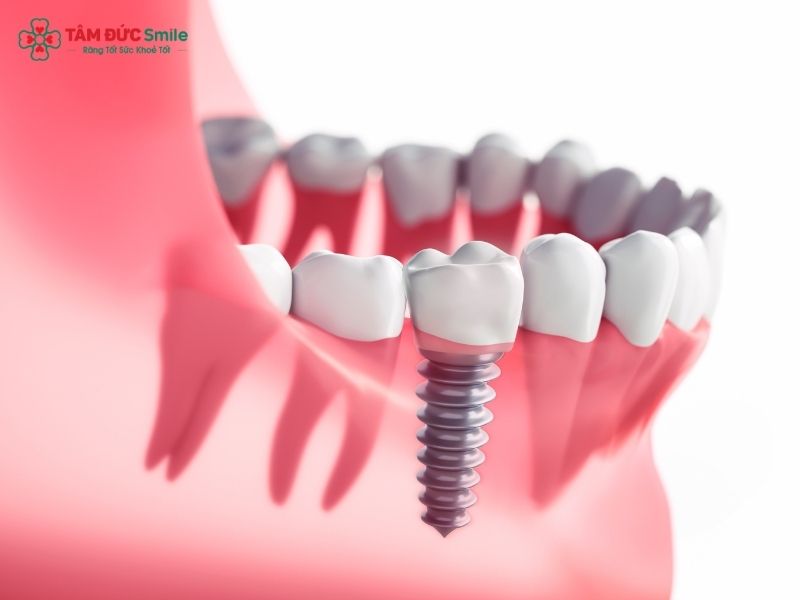
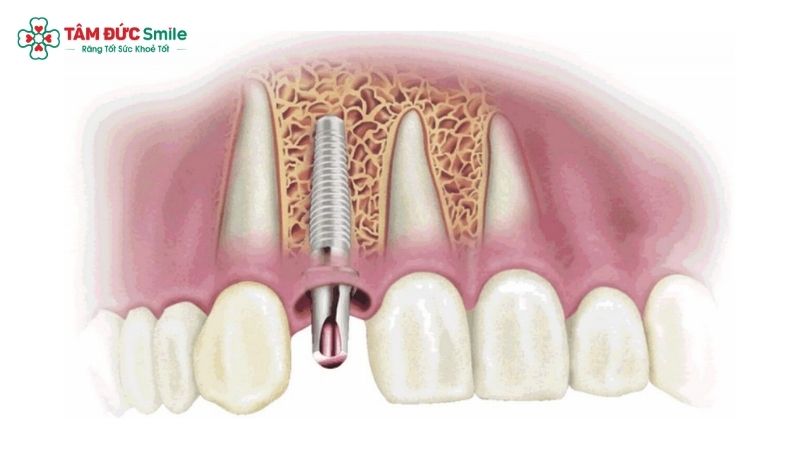
At the core of a high implant success rate is the osseointegration process, a biological mechanism in which the implant surface fuses directly with surrounding bone. This process creates a stable, load-bearing foundation capable of supporting long-term oral function.
Successful osseointegration depends heavily on bone quality and density. Dense, healthy bone allows faster and stronger integration, while low-density bone may require additional interventions such as bone graft necessity before implant placement.
The material of the implant also plays a critical role. Dental implant materials (titanium, zirconia) are specifically designed to be biocompatible, allowing bone cells to attach and grow along the implant surface. When osseointegration is achieved without disruption, implant longevity statistics show survival rates exceeding 90–95% after 10 years.
3. Key Factors Affecting Implant Success Rate
3.1 Patient Health Conditions and Lifestyle
Individual patient health conditions significantly influence implant success rate. Systemic conditions such as uncontrolled diabetes can slow healing and interfere with osseointegration process. In contrast, well-managed health supports predictable outcomes.
Lifestyle factors are equally important. Smoking and implant outcomes are strongly correlated, with smokers showing higher rates of implant failure causes due to reduced blood supply and impaired healing. Maintaining excellent post-operative care and oral hygiene is essential to protect the implant during the critical healing phase.
3.2 Bone Quality, Surgical Precision, and Technology
Adequate bone quality and density are prerequisites for long-term implant stability. When bone volume is insufficient, bone graft necessity becomes a key step to restore the implant site and improve outcomes.
In addition, digital planning & surgical precision have transformed implant dentistry. Advanced imaging and guided surgery allow precise implant positioning, minimizing trauma and optimizing load distribution. This technological accuracy directly improves the dental implant success rate and reduces the risk of complications.
4. Common Implant Failure Causes and How to Prevent Them
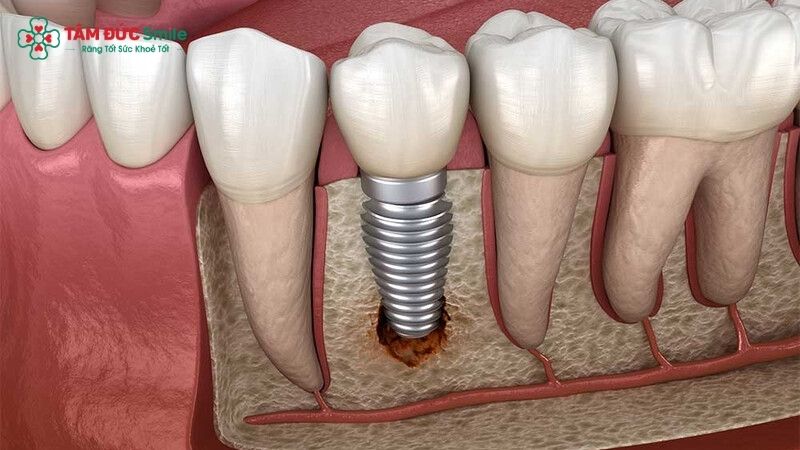
Despite high overall success, implant complications can occur when risk factors are not properly managed. The most common implant failure causes include poor osseointegration, infection around the implant, and excessive mechanical stress.
One significant concern is peri-implant infection, often linked to inadequate oral hygiene or lack of long-term maintenance and hygiene. Without regular professional follow-ups and daily care, inflammation can compromise surrounding bone and reduce implant longevity statistics.
Prevention focuses on thorough pre-treatment assessment, precise surgical execution, and strict adherence to post-operative care protocols. When these elements are combined, patients can expect a consistently high implant success rate and long-term functional success.
Tam Duc Smile Dental Clinic – A Modern Nationwide Dental System
Tam Duc Smile Dental Clinic is a leading comprehensive dental system, offering a full range of oral healthcare services from basic to advanced treatments, including routine dental check-ups, cavity treatment, scaling and aesthetic fillings, teeth whitening, porcelain crowns and veneers, orthodontics, and dental implant placement. With a team of highly experienced and dedicated dentists, along with advanced technologies such as Cone Beam CT 3D imaging and CAD/CAM systems, Tam Duc Smile Dental Clinic is committed to delivering a perfect smile that is safe, durable, and long-lasting over time. Book your appointment today for a free consultation via Hotline 1900.8040
- 52 Tan Ky Tan Quy Street, Tay Thanh Ward, Ho Chi Minh City
- 140 Ly Thai To Street, Ban Co Ward, Ho Chi Minh City
- 76 Pham Hong Thai Street, Ben Thanh Ward, Ho Chi Minh City
- 708–720 Dien Bien Phu Street, Thanh My Tay Ward, Ho Chi Minh City
- 513 Hoang Van Thu Street, Tan Son Nhat Ward, Ho Chi Minh City
- 50 Le Van Viet Street, Tang Nhon Phu Ward, Ho Chi Minh City
- 1112 Huynh Tan Phat Street, Tan My Ward, Ho Chi Minh City
- 361 Phan Van Tri Street, Binh Loi Trung Ward, Ho Chi Minh City
- 128 Nguyen Oanh Street, Hanh Thong Ward, Ho Chi Minh City
- Hotline: 1900.8040 – 0329 851 079
- Opening hours: 08:00 AM – 07:30 PM; Sunday: 08:00 AM – 12:00 PM







Specialist Level I
Pham Nguyen
Content medically reviewed
A Specialist Level I in Odonto-Stomatology (Dentistry), former Deputy Head of the Department at the Ho Chi Minh City Hospital of Odonto-Stomatology, with extensive experience in dental implantology, sinus lift procedures, and oral and maxillofacial surgery. He has obtained numerous advanced professional certifications both in Vietnam and internationally.
Xem thêm thông tinBÀI VIẾT LIÊN QUAN
Multiple Tooth Implants: Implant-Supported Bridge & Jawbone Care
Multiple Tooth Implants are an advanced solution for replacing several missing teeth using titanium implants...
Do Dental Implants Hurt? Pain Timeline, Recovery & What to Expect
Do dental implants hurt? This is one of the most common concerns for patients considering...
Dental Implant Surgery: Procedure, Costs, Recovery & Advanced Techniques
Dental implant surgery is a modern dental implant procedure designed to replace missing teeth through...
Dental Implant Components: Parts, Materials & Implant System Explained
Dental implant components are the foundation of a successful implant restoration, consisting of three main...
Dental Implant Cleaning Tools for Implant Hygiene and Maintenance Guide
Dental implant cleaning tools play a vital role in maintaining long-term implant health and preventing...
Dental Implant Bridge: Implant-Supported Fixed Tooth Replacement
A dental implant bridge is an advanced implant-supported bridge solution designed to replace multiple missing...