


 VI
VIAre dental implants safe is a common question for patients considering tooth replacement, especially when evaluating dental implant safety, dental surgery safety, and long-term outcomes. Modern implants made from biocompatible titanium materials are designed to integrate with bone through osseointegration, achieving a success rate of around 95–98% when placed correctly. However, patients should understand potential risks, including implant infection, peri-implantitis, nerve injury, sinus complications, and rare cases of implant failure. Proper candidate suitability for implants, the use of high-quality dental implant materials, and appropriate implant longevity and maintenance are critical factors in ensuring success. At Tam Duc Smile Dental, advanced technology and experienced clinicians help minimize dental implant complications and ensure safe, predictable results.
1. Are Dental Implants Safe?
The question are dental implants safe is one of the most frequently searched concerns among patients considering tooth replacement. With advances in modern dentistry, dental implant safety has improved dramatically, making implants one of the most predictable and trusted restorative treatments available today. When placed correctly, dental implants are widely regarded as a safe, long-term solution for missing teeth, supported by decades of clinical research and real-world outcomes.
From a clinical standpoint, the safety of dental implants is not a single factor but the result of multiple interconnected elements: dental implant materials, surgical precision, patient health, post-operative care, and professional expertise. At reputable clinics such as Tam Duc Smile Dental, implant procedures are designed around strict medical protocols to minimize risks of dental implants while maximizing patient comfort and long-term success.
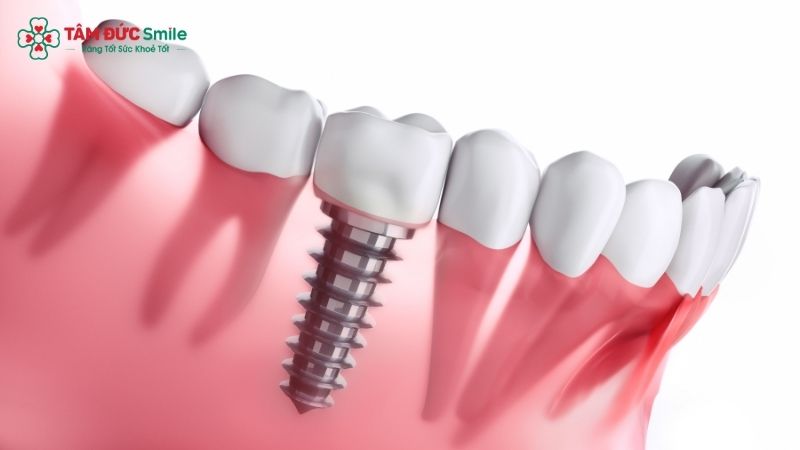
1.1 Scientific Evidence Behind Dental Implant Safety
Extensive research confirms that dental implants have a success rate of implants ranging between 95–98% in healthy patients. This means that out of 100 implants placed, the vast majority integrate successfully with the jawbone and function normally for many years. This high success rate alone is a strong indicator that dental implants are a safe and reliable treatment when proper standards are followed.
A key reason behind this success is osseointegration—the biological process by which the implant fuses directly with the surrounding bone. During osseointegration, the implant becomes a stable, functional replacement for a natural tooth root. Without successful osseointegration, implant stability would not be possible, which is why careful planning and execution are essential.
Another critical safety factor is titanium implant biocompatibility. Titanium has been used in medicine for decades, including orthopedic and dental applications, because it is highly compatible with human tissue. The body does not recognize titanium as a foreign threat, significantly reducing the risk of rejection or allergic reaction. In some cases, ceramic implants are also used, offering excellent biocompatibility for patients with specific needs.
1.2 Dental Surgery Safety and Modern Techniques
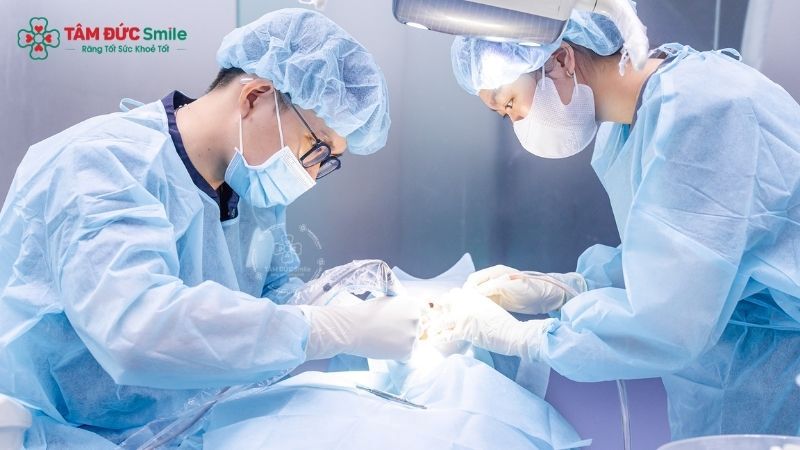
Concerns about dental surgery safety are understandable, especially for patients who have never undergone an oral surgical procedure. However, implant dentistry today is far more advanced than it was even 10–15 years ago. Modern implant placement relies heavily on digital technology, including 3D imaging, computer-guided surgery, and precise treatment planning.
Before implant placement, dentists evaluate:
- Bone density and volume
- Nerve positioning
- Sinus anatomy
- Bite alignment
This comprehensive assessment dramatically reduces the likelihood of dental implant complications such as nerve damage risk or sinus complications. With proper diagnostics, implants are placed in optimal positions, avoiding sensitive anatomical structures.
At Tam Duc Smile Dental, advanced imaging systems allow dentists to visualize the jawbone in three dimensions before surgery begins. This approach enhances dental implant safety and gives patients confidence that the procedure is both controlled and predictable.
1.3 Comparing Implant Safety to Other Tooth Replacement Options
When evaluating are dental implants safe, it is also helpful to compare implants to alternative treatments such as dental bridges or removable dentures. Unlike bridges, implants do not require grinding down adjacent healthy teeth, eliminating unnecessary damage. Unlike dentures, implants are fixed in place, reducing the risk of discomfort, instability, or bone loss.
In terms of implant longevity and maintenance, implants often outperform other restorative options. With good oral hygiene and regular dental visits, implants can last decades, making them not only safe but also cost-effective over time.
2. Possible Risks and Complications
Although dental implants are considered safe, no medical procedure is entirely free from risk. Understanding potential risks of dental implants allows patients to make informed decisions and take proactive steps to reduce complications. Importantly, most dental implant complications are rare and preventable when treatment is performed by experienced professionals.
2.1 Implant Infection Risk
One of the most discussed concerns is implant infection risk. Infection can occur if bacteria enter the surgical site during or after the procedure. Signs of infection may include swelling, pain, redness, or discharge around the implant.
However, infection rates remain low when:
- Sterile surgical protocols are followed
- Patients maintain good oral hygiene
- Post-operative instructions are followed carefully
Clinics with strict infection-control standards significantly reduce this risk. At Tam Duc Smile Dental, sterile environments and evidence-based protocols are essential components of patient safety.
2.2 Peri-Implantitis
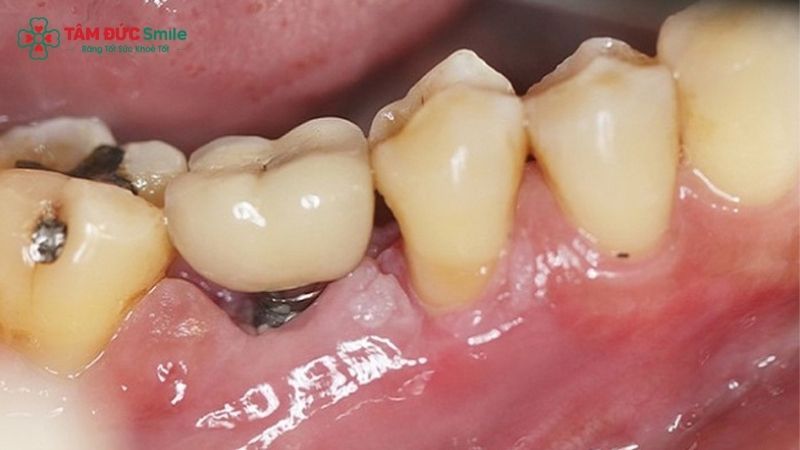
Peri-implantitis is a condition involving inflammation of the gum and bone surrounding an implant. It is often linked to poor oral hygiene or untreated gum disease. If left unaddressed, peri-implantitis may lead to implant failure.
The good news is that peri-implantitis is largely preventable. Regular dental check-ups, professional cleanings, and proper home care significantly lower the risk. Early detection also allows dentists to intervene before serious damage occurs.
2.3 Nerve Damage Risk
Another potential complication is nerve damage risk, which can result in numbness, tingling, or discomfort in the lips, chin, or tongue. This risk is associated primarily with implants placed too close to major nerves in the lower jaw.
Modern imaging technology plays a crucial role in minimizing this complication. By identifying nerve pathways before surgery, dentists can place implants safely without compromising nerve integrity. This highlights the importance of choosing an experienced provider for optimal dental implant safety.
2.4 Sinus Complications
For implants placed in the upper jaw, sinus complications may occur if the implant extends into the sinus cavity. This risk is addressed through careful evaluation of sinus anatomy and, when necessary, additional procedures such as sinus lifts.
When treatment planning is thorough, sinus complications are uncommon and manageable. Advanced techniques have made upper-jaw implants safer than ever before.
2.5 Implant Failure
Although rare, implant failure can occur when osseointegration does not complete successfully. Factors contributing to failure may include smoking, uncontrolled systemic conditions, or insufficient bone support.
Understanding candidate suitability for implants is therefore essential. Not every patient is an ideal candidate, and honest evaluation helps ensure long-term success rather than unnecessary risk.
3. How to Maximize Safety and Success
For patients asking are dental implants safe, the most reassuring answer lies in understanding how safety and success can be maximized through proper planning, care, and professional expertise.
3.1 Choosing the Right Dental Provider
The experience and skill of the dentist directly influence dental implant safety. Clinics like Tam Duc Smile Dental emphasize specialized training, continuous education, and the use of modern technology to deliver predictable outcomes.
A qualified implant dentist will:
- Perform thorough diagnostics
- Create personalized treatment plans
- Anticipate potential dental implant complications
- Provide detailed aftercare guidance
This level of care dramatically improves success rate of implants and patient satisfaction.
3.2 Pre-Treatment Evaluation and Planning
Comprehensive evaluation is the foundation of safe implant treatment. This includes assessing bone quality, reviewing medical history, and identifying factors that may affect healing.
Patients with certain conditions may still receive implants safely, but additional planning is required. Evaluating candidate suitability for implants ensures that risks are identified and managed before surgery.
3.3 Maintaining Oral Hygiene and Follow-Up Care
Post-treatment care plays a vital role in long-term success. Good oral hygiene helps prevent implant infection risk, peri-implantitis, and other complications.
Key habits include:
- Daily brushing and flossing
- Routine dental check-ups
- Professional cleanings
- Avoiding smoking during healing
Proper maintenance directly supports implant longevity and maintenance, allowing implants to function safely for many years.
3.4 Long-Term Benefits of Safe Implant Dentistry
When safety protocols are followed, dental implants offer unmatched benefits:
- Stable chewing function
- Natural appearance
- Preservation of jawbone
- Improved quality of life
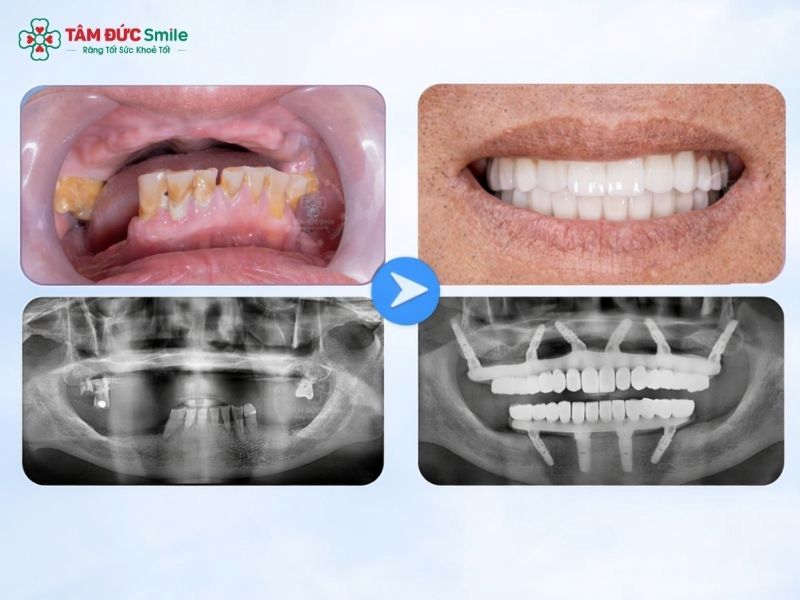
These advantages explain why implants are widely regarded as one of the safest and most effective tooth replacement options available today.
Tam Duc Smile Dental Clinic – A Modern Nationwide Dental System
Tam Duc Smile Dental Clinic is a leading comprehensive dental system, offering a full range of oral healthcare services from basic to advanced treatments, including routine dental check-ups, cavity treatment, scaling and aesthetic fillings, teeth whitening, porcelain crowns and veneers, orthodontics, and dental implant placement. With a team of highly experienced and dedicated dentists, along with advanced technologies such as Cone Beam CT 3D imaging and CAD/CAM systems, Tam Duc Smile Dental Clinic is committed to delivering a perfect smile that is safe, durable, and long-lasting over time. Book your appointment today for a free consultation via Hotline 1900.8040
- 52 Tan Ky Tan Quy Street, Tay Thanh Ward, Ho Chi Minh City
- 140 Ly Thai To Street, Ban Co Ward, Ho Chi Minh City
- 76 Pham Hong Thai Street, Ben Thanh Ward, Ho Chi Minh City
- 708–720 Dien Bien Phu Street, Thanh My Tay Ward, Ho Chi Minh City
- 513 Hoang Van Thu Street, Tan Son Nhat Ward, Ho Chi Minh City
- 50 Le Van Viet Street, Tang Nhon Phu Ward, Ho Chi Minh City
- 1112 Huynh Tan Phat Street, Tan My Ward, Ho Chi Minh City
- 361 Phan Van Tri Street, Binh Loi Trung Ward, Ho Chi Minh City
- 128 Nguyen Oanh Street, Hanh Thong Ward, Ho Chi Minh City
- Hotline: 1900.8040 – 0329 851 079
- Opening hours: 08:00 AM – 07:30 PM; Sunday: 08:00 AM – 12:00 PM







Specialist Level I
Pham Nguyen
Content medically reviewed
A Specialist Level I in Odonto-Stomatology (Dentistry), former Deputy Head of the Department at the Ho Chi Minh City Hospital of Odonto-Stomatology, with extensive experience in dental implantology, sinus lift procedures, and oral and maxillofacial surgery. He has obtained numerous advanced professional certifications both in Vietnam and internationally.
Xem thêm thông tinBÀI VIẾT LIÊN QUAN
Multiple Tooth Implants: Implant-Supported Bridge & Jawbone Care
Multiple Tooth Implants are an advanced solution for replacing several missing teeth using titanium implants...
Do Dental Implants Hurt? Pain Timeline, Recovery & What to Expect
Do dental implants hurt? This is one of the most common concerns for patients considering...
Dental Implant Surgery: Procedure, Costs, Recovery & Advanced Techniques
Dental implant surgery is a modern dental implant procedure designed to replace missing teeth through...
Dental Implant Components: Parts, Materials & Implant System Explained
Dental implant components are the foundation of a successful implant restoration, consisting of three main...
Dental Implant Cleaning Tools for Implant Hygiene and Maintenance Guide
Dental implant cleaning tools play a vital role in maintaining long-term implant health and preventing...
Dental Implant Bridge: Implant-Supported Fixed Tooth Replacement
A dental implant bridge is an advanced implant-supported bridge solution designed to replace multiple missing...