


 VI
VIDental implant problems can occur when factors such as peri-implantitis infection, poor osseointegration, or bone loss around the implant affect long-term stability. Common signs include pain, swelling, gum recession, implant mobility, and in some cases nerve damage after implant surgery or sinus complications in the upper jaw. Causes of implant failure are often linked to bacterial infection, smoking, uncontrolled diabetes, or inadequate oral hygiene. Early diagnosis and proper treatment, including infection control and implant stabilization, are critical to prevent further complications. At Tam Duc Smile Dental Clinic, experienced specialists focus on accurate assessment, effective treatment, and long-term prevention of dental implant problems.
1. Common Dental Implant Problems You Should Be Aware Of
Dental implants are a highly successful tooth replacement solution, but like any surgical procedure, dental implant problems can still occur. Understanding these complications early helps patients seek timely treatment and protect long-term implant success.
1.1. Peri-implantitis Infection Symptoms
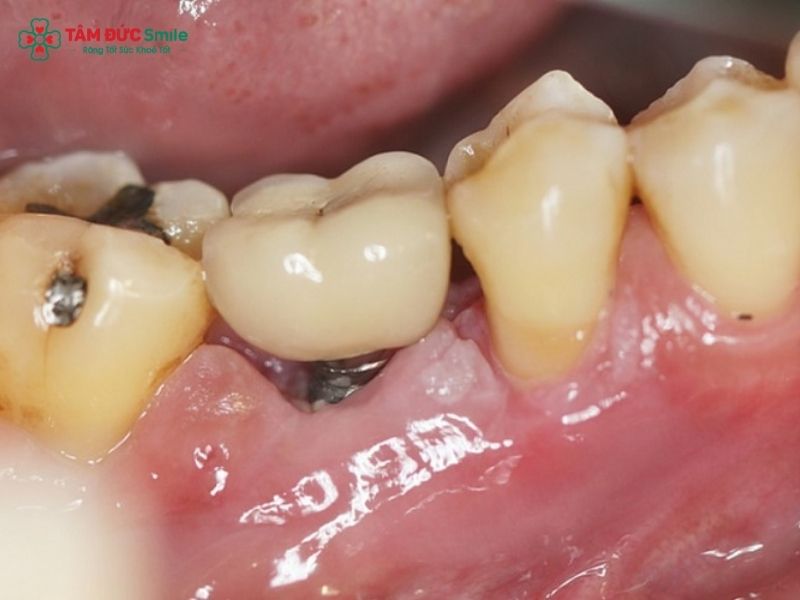
One of the most serious dental implant problems is peri-implantitis, a bacterial infection affecting the gum and bone around the implant. Common peri-implantitis infection symptoms include gum redness, swelling, bleeding, persistent bad breath, and discomfort when chewing. If left untreated, this condition can cause bone loss around the implant, ultimately leading to implant failure.
1.2. Implant Failure Causes and Osseointegration Issues
Successful implants rely on osseointegration, where the implant fuses with the jawbone. Implant failure causes often stem from poor osseointegration, inadequate bone density, or excessive force placed on the implant too early. Patients may notice pain, instability, or a loose dental implant, which signals that the implant is not securely integrated.
1.3. Nerve Damage After Implant Placement
Nerve damage after implant surgery is less common but can occur if the implant is placed too close to a nerve. Symptoms include numbness, tingling, or a burning sensation in the lips, chin, or tongue. Early diagnosis is crucial to prevent long-term sensory complications.
1.4. Bone Loss and Gum Recession Around Implants
Progressive bone loss around implants can compromise stability and aesthetics. This issue is often linked to infection, smoking, or excessive biting force. Gum recession around implants may expose the implant surface, increasing sensitivity and the risk of further infection.
1.5. Sinus Complications and Allergic Reactions
For implants placed in the upper jaw, sinus complications from implants may occur if the sinus cavity is affected. In rare cases, patients may experience an allergic reaction to implant material, such as titanium sensitivity, causing inflammation or implant rejection.
2. Risk Factors That Increase Dental Implant Problems
Certain patient-related and clinical factors significantly increase the likelihood of dental implant problems. Identifying and managing these risks is essential before and after treatment.
2.1. Poor Oral Hygiene and Infection Risk
Inadequate oral hygiene allows bacteria to accumulate around implants, increasing the risk of peri-implantitis and infection. Consistent brushing, flossing, and professional cleanings are critical for prevention of dental implant issues.
2.2. Smoking and Lifestyle-Related Risk Factors
Smoking is a major implant rejection risk factor. It reduces blood flow to the gums, slows healing, and increases the rate of implant failure causes such as infection and bone loss.

2.3. Underlying Health Conditions
Systemic conditions like diabetes, osteoporosis, or compromised immune health can interfere with healing and bone regeneration. These health condition risk factors raise the likelihood of osseointegration issues and long-term implant complications if not properly controlled.
3. Symptoms and Early Warning Signs of Dental Implant Problems
Recognizing symptoms early allows prompt intervention and can often save the implant.
3.1. Persistent Pain, Swelling, and Bleeding
While mild discomfort is normal after surgery, prolonged pain and swelling or ongoing bleeding may indicate infection or implant instability. These are key signs of implant problems that should never be ignored.

3.2. Numbness, Tingling, or Sensory Changes
Ongoing numbness or tingling in the jaw, lips, or tongue may signal nerve damage after implant placement. Early evaluation improves the chance of nerve recovery.
3.3. Loose or Moving Dental Implant
A loose dental implant is never normal. Implant mobility often points to bone loss, implant failure, or severe infection and requires immediate professional assessment.
Tam Duc Smile Dental Clinic – A Modern Nationwide Dental System
Tam Duc Smile Dental Clinic is a leading comprehensive dental system, offering a full range of oral healthcare services from basic to advanced treatments, including routine dental check-ups, cavity treatment, scaling and aesthetic fillings, teeth whitening, porcelain crowns and veneers, orthodontics, and dental implant placement. With a team of highly experienced and dedicated dentists, along with advanced technologies such as Cone Beam CT 3D imaging and CAD/CAM systems, Tam Duc Smile Dental Clinic is committed to delivering a perfect smile that is safe, durable, and long-lasting over time. Book your appointment today for a free consultation via Hotline 1900.8040
- 52 Tan Ky Tan Quy Street, Tay Thanh Ward, Ho Chi Minh City
- 140 Ly Thai To Street, Ban Co Ward, Ho Chi Minh City
- 76 Pham Hong Thai Street, Ben Thanh Ward, Ho Chi Minh City
- 708–720 Dien Bien Phu Street, Thanh My Tay Ward, Ho Chi Minh City
- 513 Hoang Van Thu Street, Tan Son Nhat Ward, Ho Chi Minh City
- 50 Le Van Viet Street, Tang Nhon Phu Ward, Ho Chi Minh City
- 1112 Huynh Tan Phat Street, Tan My Ward, Ho Chi Minh City
- 361 Phan Van Tri Street, Binh Loi Trung Ward, Ho Chi Minh City
- 128 Nguyen Oanh Street, Hanh Thong Ward, Ho Chi Minh City
- Hotline: 1900.8040 – 0329 851 079
- Opening hours: 08:00 AM – 07:30 PM; Sunday: 08:00 AM – 12:00 PM







Specialist Level I
Pham Nguyen
Content medically reviewed
A Specialist Level I in Odonto-Stomatology (Dentistry), former Deputy Head of the Department at the Ho Chi Minh City Hospital of Odonto-Stomatology, with extensive experience in dental implantology, sinus lift procedures, and oral and maxillofacial surgery. He has obtained numerous advanced professional certifications both in Vietnam and internationally.
Xem thêm thông tinBÀI VIẾT LIÊN QUAN
Multiple Tooth Implants: Implant-Supported Bridge & Jawbone Care
Multiple Tooth Implants are an advanced solution for replacing several missing teeth using titanium implants...
Do Dental Implants Hurt? Pain Timeline, Recovery & What to Expect
Do dental implants hurt? This is one of the most common concerns for patients considering...
Dental Implant Surgery: Procedure, Costs, Recovery & Advanced Techniques
Dental implant surgery is a modern dental implant procedure designed to replace missing teeth through...
Dental Implant Components: Parts, Materials & Implant System Explained
Dental implant components are the foundation of a successful implant restoration, consisting of three main...
Dental Implant Cleaning Tools for Implant Hygiene and Maintenance Guide
Dental implant cleaning tools play a vital role in maintaining long-term implant health and preventing...
Dental Implant Bridge: Implant-Supported Fixed Tooth Replacement
A dental implant bridge is an advanced implant-supported bridge solution designed to replace multiple missing...