


 VI
VIThe dental implant procedure is a carefully planned treatment designed to restore missing teeth safely and effectively. At Tam Duc Smile Dental, each procedure begins with an initial consultation using advanced 3D imaging dental technology to assess bone structure and treatment needs. The process includes dental implant steps such as dental implant surgery, possible bone grafting, socket preservation, or sinus lift, followed by implant placement and osseointegration. After healing, abutment placement and dental crown placement complete the restoration. With proper implant aftercare, patients experience faster implant recovery, reduced implant safety risks, and a high implant success rate, including options for full-arch implants when needed.
1. What Is a Dental Implant?
A dental implant procedure is a modern restorative solution designed to replace one or more missing teeth by replicating the structure of a natural tooth. Instead of relying on neighboring teeth for support, a dental implant functions as an independent artificial tooth root that integrates directly with the jawbone. This makes it one of the most advanced and durable options in contemporary dentistry.
At its core, a dental implant is a small post—most commonly made of medical-grade titanium—that is surgically placed into the jawbone. Titanium is used because it is biocompatible, meaning the human body accepts it without triggering adverse immune reactions. Over time, this post bonds with the surrounding bone through a biological process known as osseointegration, creating a stable foundation that closely mimics a natural tooth root.
From a patient perspective, understanding what a dental implant procedure actually involves helps reduce anxiety and builds trust in the treatment. Unlike removable dentures or traditional bridges, implants are fixed in place, feel natural when chewing or speaking, and are designed to last for decades with proper care.
1.1 Components of a Dental Implant
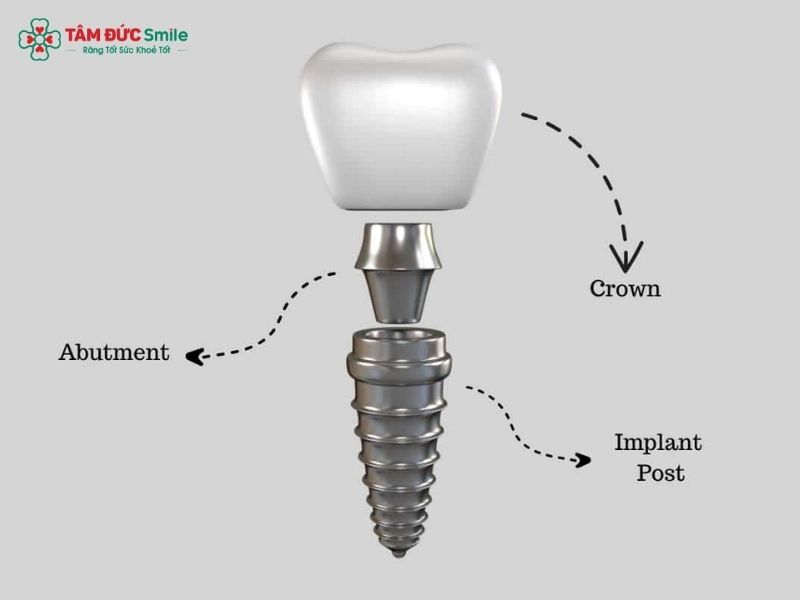
To fully understand the dental implant procedure, it is important to break it down into its three primary components, each playing a specific role in restoring oral function and aesthetics.
1.1.1 Implant Fixture (Titanium Post)
The implant fixture is the foundation of the entire dental implant procedure. Surgically inserted into the jawbone during dental implant surgery, this titanium post replaces the root of the missing tooth. Its main functions include:
- Providing structural stability
- Transmitting chewing forces into the jawbone
- Preventing bone resorption after tooth loss
Once placed, the implant fixture undergoes osseointegration, during which the surrounding bone cells grow and fuse directly to the implant surface. This phase is critical to the long-term implant success rate.
1.1.2 Abutment Placement
After successful osseointegration, the next step in the dental implant steps is abutment placement. The abutment is a small connector that attaches to the implant fixture and protrudes slightly above the gum line. Its role is to:
- Connect the implant to the final restoration
- Shape and support the gum tissue
- Ensure proper alignment of the prosthetic tooth
Although abutment placement is a minor procedure compared to implant insertion, it is essential for achieving optimal function and aesthetics.
1.1.3 Dental Crown Placement
The final visible component of the dental implant procedure is the prosthetic tooth, known as the crown. Dental crown placement involves attaching a custom-made crown to the abutment. This crown is carefully designed to match the color, shape, and size of the patient’s natural teeth.
A well-crafted crown restores:
- Chewing efficiency
- Speech clarity
- Natural appearance of the smile
When completed properly, dental crown placement makes it nearly impossible to distinguish the implant from surrounding natural teeth.
2.2 How Dental Implants Mimic Natural Teeth
One of the biggest advantages of the dental implant procedure is how closely it replicates the anatomy and function of natural teeth. Traditional tooth replacement options, such as bridges, rely on adjacent teeth for support. In contrast, implants stand independently.
Key similarities between natural teeth and implants include:
- A root-like structure (implant fixture) embedded in bone
- Load distribution to the jaw during chewing
- Stimulation of the jawbone, preventing bone loss
Because implants integrate with bone through osseointegration, they help maintain jawbone density and facial structure over time—something dentures and bridges cannot fully achieve.
2.3 Types of Dental Implants
Depending on the patient’s needs, anatomy, and oral health condition, a dental implant procedure may involve different implant configurations.
- Single-tooth implants: Ideal for replacing one missing tooth
- Multiple implants: Used to support bridges or partial restorations
- Full-arch implants: Often referred to as full-arch implants, used when most or all teeth are missing
Each type follows the same biological principles but differs in planning and execution.
3. Why Choose a Professional Dental Implant Procedure?
Choosing to undergo a professionally planned dental implant procedure is a critical decision that directly affects long-term oral health, safety, and treatment outcomes. While implants are widely available, the expertise of the dental team, diagnostic technology, and clinical protocols significantly influence the final results.
3.1 Clinical Benefits of a Professional Approach
A professionally executed dental implant procedure offers benefits that go far beyond tooth replacement.
3.1.1 Improved Function
Dental implants restore near-natural biting force. Unlike removable dentures, implants do not shift or loosen, allowing patients to chew confidently and enjoy a full range of foods.
3.1.2 Long-Term Oral Health
Because implants do not rely on adjacent teeth, they preserve the integrity of surrounding healthy teeth. This contributes to better long-term oral health and stability.
3.1.3 Enhanced Aesthetics
Implants help maintain facial contours by preventing bone loss. This avoids the “sunken” appearance often associated with missing teeth or long-term denture use.
3.2 Importance of Accurate Diagnosis and Planning
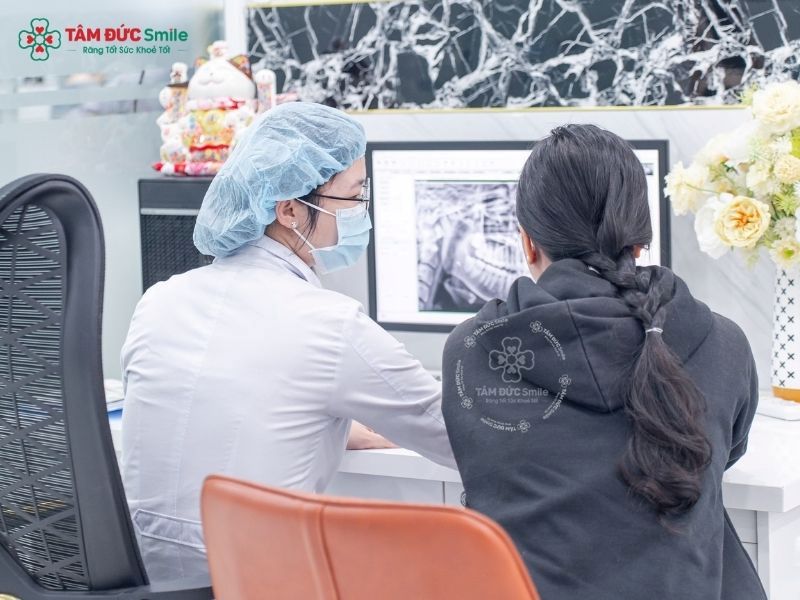
One of the defining features of a successful dental implant procedure is comprehensive pre-treatment planning. This stage often includes initial consultation, advanced imaging, and individualized treatment mapping.
Modern clinics rely on 3D imaging dental systems, such as CBCT scans, to assess bone quality, nerve position, and sinus anatomy. These scans allow dentists to:
- Measure bone density precisely
- Determine optimal implant size and angle
- Identify the need for bone grafting or sinus lift procedures
By using 3D imaging dental technology, risks during dental implant surgery are significantly reduced.
3.3 Safety and Predictability
Professional clinics follow strict sterilization and surgical protocols, minimizing implant safety risks such as infection or implant failure. With proper planning and execution, modern implant dentistry boasts an implant success rate of over 95%.
3.4 Why Experience Matters
Dental implantology is a specialized field requiring advanced training and hands-on experience. Professional providers understand how systemic health conditions, such as diabetes or smoking habits, influence implant recovery and long-term outcomes.
At Tam Duc Smile Dental, implant procedures are approached with a patient-centered philosophy, combining diagnostics, surgical precision, and post-operative care into a single, cohesive treatment plan.
4. Step-by-Step Dental Implant Procedure
Understanding the complete dental implant steps helps patients know what to expect at every stage. While individual cases vary, the core structure of the dental implant procedure follows a well-established sequence.
4.1 Initial Consultation & Treatment Planning
The first phase of the dental implant procedure is the initial consultation. This appointment is crucial for determining whether the patient is a suitable candidate for implants.
During the initial consultation, the dentist evaluates:
- Medical and dental history
- Gum health and oral hygiene
- Bone volume and density using 3D imaging dental scans
Based on these findings, a personalized treatment plan is created, outlining timelines, potential need for bone grafting, and overall cost.
4.2 Pre-Surgical Procedures
Not all patients are immediately ready for implant placement. Some require preparatory treatments before dental implant surgery.
4.2.1 Tooth Extraction
If a damaged or non-restorable tooth is present, it must be removed. In some cases, socket preservation is performed at the time of extraction to maintain bone volume.
4.2.2 Bone Grafting and Sinus Lift
When insufficient bone is available, bone grafting may be necessary. This procedure involves adding bone material to strengthen the implant site. For implants in the upper jaw near the sinuses, a sinus lift may be required to create adequate vertical bone height.
Although these steps extend the overall timeline, they are essential for ensuring implant stability and improving the long-term implant success rate.
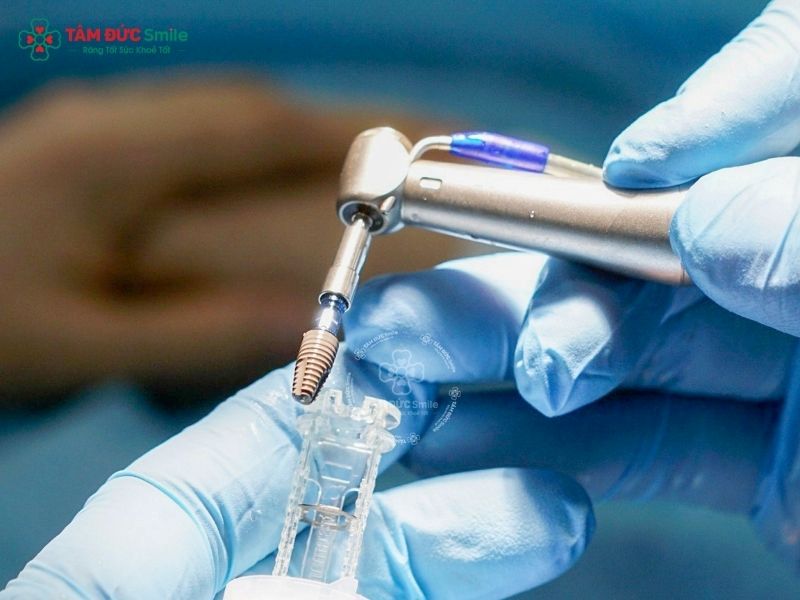
4.3 Dental Implant Surgery
Once the site is ready, the patient undergoes dental implant surgery. This procedure is typically performed under local anesthesia, with sedation options available for anxious patients.
During surgery:
- A small incision is made in the gum
- The implant fixture is placed into the jawbone
- The gum is closed over or around the implant
Modern techniques and guided surgery have made dental implant surgery highly precise and minimally invasive.
4.4 Osseointegration and Healing
Following implant placement, the healing phase begins. Osseointegration is the biological process where the jawbone fuses with the implant surface.
This phase typically lasts:
- 3–4 months for the lower jaw
- 4–6 months for the upper jaw
During this time, patients may wear a temporary restoration and are advised to follow strict aftercare instructions to support implant recovery.
4.5 Abutment Placement
After successful osseointegration, a small procedure is performed for abutment placement. The gum tissue is gently reopened, and the abutment is attached to the implant.
This step allows the gums to heal into a natural contour around the future crown, which is essential for both function and appearance.
4.6 Final Dental Crown Placement
The final stage of the dental implant procedure is dental crown placement. Impressions are taken to fabricate a crown that blends seamlessly with surrounding teeth.
Once attached, the implant restoration:
- Restores full chewing function
- Feels stable and natural
- Completes the aesthetic transformation
At this point, the dental implant procedure is complete, providing patients with a long-lasting, natural-looking solution for missing teeth.
Tam Duc Smile Dental Clinic – A Modern Nationwide Dental System
Tam Duc Smile Dental Clinic is a leading comprehensive dental system, offering a full range of oral healthcare services from basic to advanced treatments, including routine dental check-ups, cavity treatment, scaling and aesthetic fillings, teeth whitening, porcelain crowns and veneers, orthodontics, and dental implant placement. With a team of highly experienced and dedicated dentists, along with advanced technologies such as Cone Beam CT 3D imaging and CAD/CAM systems, Tam Duc Smile Dental Clinic is committed to delivering a perfect smile that is safe, durable, and long-lasting over time. Book your appointment today for a free consultation via Hotline 1900.8040
- 52 Tan Ky Tan Quy Street, Tay Thanh Ward, Ho Chi Minh City
- 140 Ly Thai To Street, Ban Co Ward, Ho Chi Minh City
- 76 Pham Hong Thai Street, Ben Thanh Ward, Ho Chi Minh City
- 708–720 Dien Bien Phu Street, Thanh My Tay Ward, Ho Chi Minh City
- 513 Hoang Van Thu Street, Tan Son Nhat Ward, Ho Chi Minh City
- 50 Le Van Viet Street, Tang Nhon Phu Ward, Ho Chi Minh City
- 1112 Huynh Tan Phat Street, Tan My Ward, Ho Chi Minh City
- 361 Phan Van Tri Street, Binh Loi Trung Ward, Ho Chi Minh City
- 128 Nguyen Oanh Street, Hanh Thong Ward, Ho Chi Minh City
- Hotline: 1900.8040 – 0329 851 079
- Opening hours: 08:00 AM – 07:30 PM; Sunday: 08:00 AM – 12:00 PM







Specialist Level I
Pham Nguyen
Content medically reviewed
A Specialist Level I in Odonto-Stomatology (Dentistry), former Deputy Head of the Department at the Ho Chi Minh City Hospital of Odonto-Stomatology, with extensive experience in dental implantology, sinus lift procedures, and oral and maxillofacial surgery. He has obtained numerous advanced professional certifications both in Vietnam and internationally.
Xem thêm thông tinBÀI VIẾT LIÊN QUAN
Multiple Tooth Implants: Implant-Supported Bridge & Jawbone Care
Multiple Tooth Implants are an advanced solution for replacing several missing teeth using titanium implants...
Do Dental Implants Hurt? Pain Timeline, Recovery & What to Expect
Do dental implants hurt? This is one of the most common concerns for patients considering...
Dental Implant Surgery: Procedure, Costs, Recovery & Advanced Techniques
Dental implant surgery is a modern dental implant procedure designed to replace missing teeth through...
Dental Implant Components: Parts, Materials & Implant System Explained
Dental implant components are the foundation of a successful implant restoration, consisting of three main...
Dental Implant Cleaning Tools for Implant Hygiene and Maintenance Guide
Dental implant cleaning tools play a vital role in maintaining long-term implant health and preventing...
Dental Implant Bridge: Implant-Supported Fixed Tooth Replacement
A dental implant bridge is an advanced implant-supported bridge solution designed to replace multiple missing...