


 VI
VIA one tooth implant is a modern solution to replace one missing tooth with a single tooth implant that looks, feels, and functions like a natural tooth. This dental implant for one tooth uses a titanium dental implant post combined with a single implant crown, offering a 95–98% dental implant success rate and 20+ years longevity of single tooth implant with proper care. Compared to alternatives, single tooth implant vs bridge shows superior durability and bone preservation, though one tooth implant cost may be higher initially. The one tooth dental implant procedure typically involves 3–6 months healing time, with minimal pain after single tooth implant, and may include bone graft for single tooth implant when needed. At Tam Duc Smile Dental, patients can expect advanced care and predictable one tooth implant before and after results.
1. What Is a One Tooth Implant?
1.1 Definition of One Tooth Implant
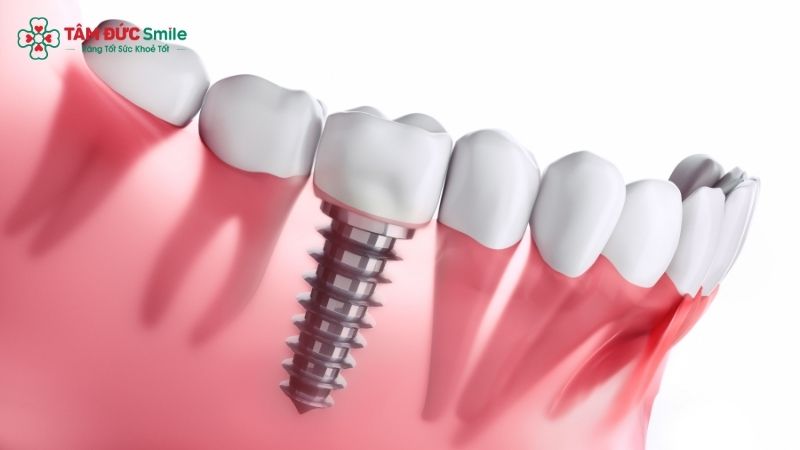
A one tooth implant is a modern dental restoration solution designed to replace exactly one missing tooth using a single tooth implant system that closely mimics the structure, function, and appearance of a natural tooth. Unlike traditional options such as removable dentures or dental bridges, a dental implant for one tooth replaces both the visible crown and the missing tooth root.
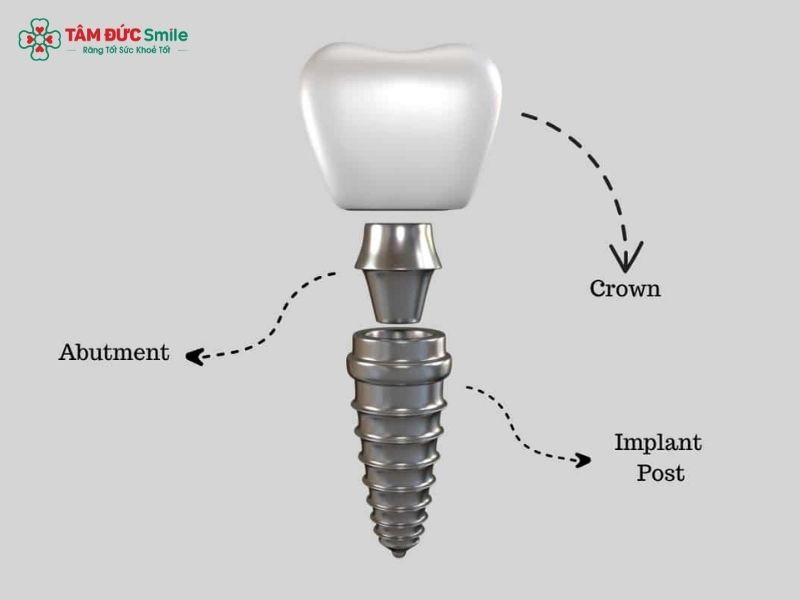
Clinically, a one tooth implant consists of three core components: a titanium dental implant (implant post) that integrates with the jawbone, an abutment that connects the implant to the crown, and a single implant crown that restores aesthetics and chewing ability. Together, these elements create a stable, long-lasting solution for patients who need to replace one missing tooth without compromising surrounding healthy teeth.
From a biological perspective, the implant post undergoes a process called osseointegration, during which the titanium surface bonds directly with the jawbone. This biological integration is what allows a one tooth implant to achieve a dental implant success rate of 95–98%, making it one of the most predictable treatments in modern dentistry.
1.2 When a Single Tooth Im Is Recommended
A single is typically recommended in situations where a patient has lost one tooth due to trauma, decay, periodontal disease, or congenital absence. Dentists often advise a dental implant for one tooth when adjacent teeth are healthy and should not be altered.
Common indications include:
- A patient who wants to replace one missing tooth permanently
- Individuals with sufficient jawbone density or candidates for bone graft for single tooth implant
- Patients seeking a solution with long-term durability and natural aesthetics
- Those who want to avoid grinding down neighboring teeth, as required with a dental bridge
A one tooth implant is especially suitable for visible areas such as the front teeth, where aesthetics are critical. With a custom-designed single implant crown, the restoration blends seamlessly with natural teeth, both in color and shape.
1.3 Why It Is the Preferred Solution to Replace One Missing Tooth
Dentists worldwide consider a one tooth implant the gold standard for replacing a single missing tooth. Compared to traditional alternatives, the benefits are significant and long-lasting.
Key reasons why a single tooth implant is preferred:
- Preserves healthy adjacent teeth (unlike bridges)
- Prevents jawbone loss by maintaining natural bone stimulation
- Provides superior chewing efficiency
- Offers excellent aesthetics with a single implant crown
- Delivers unmatched longevity, with longevity of single tooth implant reaching 20+ years or even a lifetime with proper care
In terms of oral health, a one tooth implant supports the surrounding bone and gum tissue, helping maintain facial structure and preventing premature aging. For patients looking for a solution that balances function, appearance, and durability, a dental implant for one tooth is often the most comprehensive choice.
2. Structure of a Single Tooth Implant
2.1 Titanium Dental Implant (Implant Post)
The foundation of any one tooth implant is the titanium dental implant. This small, screw-shaped post is surgically placed into the jawbone and acts as an artificial tooth root. Titanium is used because it is biocompatible, corrosion-resistant, and capable of forming a direct bond with bone tissue.
The implant post plays a critical role in:
- Supporting the single implant crown
- Transmitting chewing forces evenly to the jawbone
- Preventing bone resorption after tooth loss
Without the titanium dental implant, replacing a tooth would rely solely on neighboring structures, which can compromise long-term oral health.
2.2 Abutment Connection
The abutment is the connector between the titanium dental implant and the visible crown. Once osseointegration is complete, the abutment is securely attached to the implant post, creating a stable base for the final restoration.
In a single tooth implant, the abutment:
- Ensures precise alignment of the crown
- Helps shape the gum tissue for a natural appearance
- Allows customization for optimal bite and aesthetics
Modern abutments are designed for both strength and aesthetics, especially important in anterior (front tooth) restorations.
2.3 Single Implant Crown and Aesthetic Restoration
The final component is the single implant crown, which is custom-made to match the patient’s natural teeth in color, size, and shape. Materials such as zirconia or porcelain are commonly used to achieve lifelike translucency and strength.
A well-crafted single implant crown provides:
- Natural-looking aesthetics
- Strong chewing performance
- Seamless integration with surrounding teeth
This is where the transformation becomes visible in one tooth implant before and after results, often showing dramatic improvements in both smile appearance and confidence.
3. One Tooth Implant Procedure at Tam Duc Smile Dental
At Tam Duc Smile Dental, each one tooth implant procedure follows a structured, patient-centered protocol to ensure safety, accuracy, and long-term success.
3.1 Initial Consultation and Jawbone Assessment
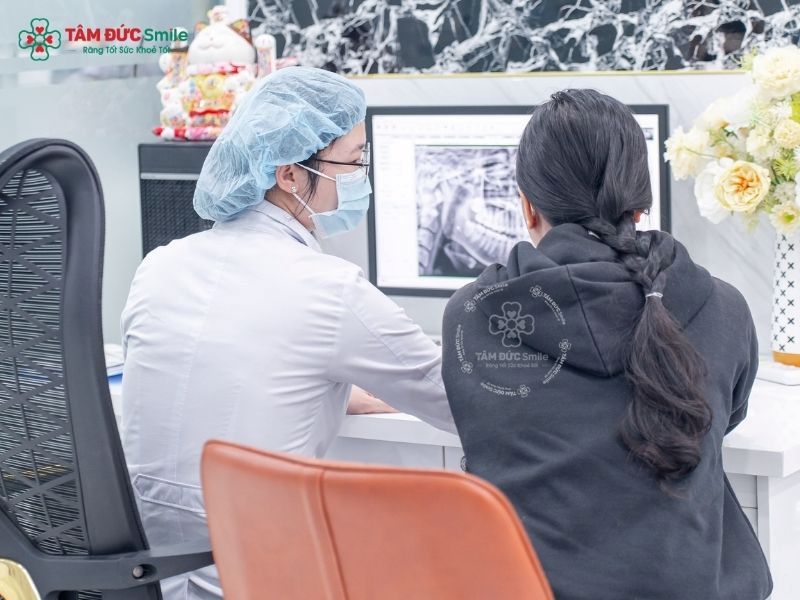
The process begins with a comprehensive consultation. Dentists evaluate oral health, review medical history, and perform advanced imaging to assess jawbone density and anatomy. This step determines whether the patient is an immediate candidate or requires bone graft for single tooth implant.
3.2 Treatment Planning for Dental Implant for One Tooth
Using digital planning tools, the dentist designs a personalized treatment plan for the dental implant for one tooth. Implant size, position, and angulation are carefully calculated to maximize stability and aesthetics.
3.3 Implant Placement Surgery
During surgery, the titanium dental implant is placed into the jawbone under local anesthesia. Advanced techniques ensure minimal trauma, making the procedure efficient and comfortable.
3.4 Healing and Osseointegration (3–6 Months)
Following placement, the implant undergoes osseointegration (3–6 months). During this period, the implant bonds with the bone, forming a stable foundation. Temporary restorations may be provided for aesthetic purposes.
3.5 Final Crown Placement
Once healing is complete, the abutment and single implant crown are attached. The result is a fully functional and natural-looking one tooth implant.
4. Is a One Tooth Implant Painful? Recovery Time
4.1 Pain Level and Anesthesia
Most patients report minimal discomfort. With modern anesthesia, pain during surgery is negligible, and pain after single tooth implant is usually mild and manageable.
4.2 One Tooth Implant Healing Time
Typical one tooth implant healing time ranges from a few days for soft tissue recovery to several months for full bone integration.
4.3 Post-Operative Care Instructions
Proper care includes maintaining oral hygiene, avoiding hard foods initially, and attending follow-up visits to ensure optimal healing.
5. How Much Does a One Tooth Implant Cost?
5.1 Breakdown of One Tooth Implant Cost
A single tooth implant generally costs between $3,000 and $6,000, though prices can range from as low as $1,000 to more than $7,000. The total cost varies depending on factors such as the materials used, geographic location, and whether additional procedures—like tooth extraction or bone grafting—are required. This fee typically includes the titanium implant post, the abutment connector, and the final dental crown.
5.2 Factors Affecting the Price
Key factors influencing one tooth implant cost include bone condition, need for bone graft for single tooth implant, crown material, and clinical expertise.
5.3 Long-Term Value vs Short-Term Alternatives
Although the one tooth implant cost may be higher initially, its durability and health benefits provide superior long-term value compared to bridges or dentures. With proper care, the longevity of single tooth implant often exceeds 20+ years, making it a wise investment in oral health.
6. Single Tooth Implant vs Dental Bridge
6.1. Single tooth implant vs bridge comparison
When patients need to replace one missing tooth, the two most commonly recommended solutions are a single tooth implant and a traditional dental bridge. Although both options aim to restore chewing function and aesthetics, they differ significantly in structure, long-term performance, and impact on overall oral health.
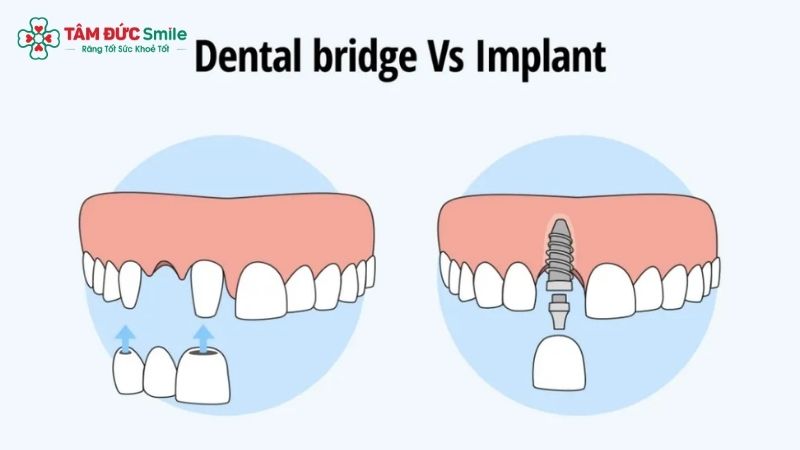
A single tooth implant is a standalone solution that replaces the missing tooth from root to crown. It consists of a titanium dental implant post placed into the jawbone, an abutment, and a single implant crown designed to mimic a natural tooth. This approach restores the missing tooth independently, without relying on neighboring teeth for support.
In contrast, a dental bridge replaces one missing tooth by anchoring an artificial tooth to two adjacent teeth. These neighboring teeth must be filed down to serve as supports, even if they are healthy. While bridges can be effective in certain situations, they are structurally dependent on surrounding teeth and do not address bone loss beneath the missing tooth.
From a functional and biological perspective, single tooth implant vs bridge comparisons consistently show that implants offer superior long-term outcomes, particularly for patients seeking a permanent and conservative solution.
6.2. Impact on adjacent teeth
One of the most critical differences between a single tooth implant and a bridge lies in how each option affects adjacent teeth.
With a dental bridge, healthy neighboring teeth are permanently altered. These teeth are reshaped to support crowns, which increases the risk of future complications such as sensitivity, decay under the crowns, and even root canal treatment. Over time, if one supporting tooth fails, the entire bridge may need replacement.
A dental implant for one tooth, on the other hand, preserves natural tooth structure. The implant is placed directly into the jawbone, meaning adjacent teeth remain untouched. This makes implant for one missing tooth the most conservative option from a restorative dentistry standpoint.
Preserving adjacent teeth is not only beneficial for immediate comfort but also for long-term oral health. Maintaining natural enamel reduces the likelihood of secondary dental problems and helps patients retain their natural bite alignment.
6.3. Durability and oral health benefits
Durability is another area where single tooth implant vs bridge comparisons strongly favor implants. A well-placed one tooth implant has a dental implant success rate (95–98%) and can last 20+ years or even a lifetime with proper care. Because implants integrate with the jawbone through osseointegration, they function like natural tooth roots.
Dental bridges, while effective initially, typically last 7–15 years before requiring replacement. They do not prevent bone loss under the missing tooth, which can lead to gum recession, changes in facial structure, and further dental complications.
From an oral health perspective, replace one missing tooth with a single tooth implant helps maintain jawbone density, supports stable gum tissue, and allows for easier oral hygiene. Patients can brush and floss implants just like natural teeth, whereas bridges often require special cleaning tools and techniques.
7. Bone Graft for Single Tooth Implant: When Is It Needed?
7.1. Causes of bone loss
Jawbone health plays a crucial role in the success of a one tooth implant. Unfortunately, bone loss is common after tooth loss. When a tooth root is no longer present, the jawbone no longer receives stimulation during chewing, leading to gradual resorption.
Common causes of bone loss include:
- Long-term tooth loss without replacement
- Advanced gum disease
- Trauma or injury
- Poorly fitting dentures or bridges
- Natural aging processes
Bone loss can compromise the ability to place a titanium dental implant securely, which is why careful evaluation is essential before proceeding with one tooth dental implant procedure.
7.2. When bone graft for single tooth implant is required
A bone graft for single tooth implant is recommended when the jawbone lacks sufficient volume or density to support the implant. This is determined through clinical examination and advanced imaging.
Bone grafting may be necessary if:
- The tooth has been missing for an extended period
- Significant bone resorption is present
- Previous infections damaged the bone
- The implant site is in a high-stress area (such as molars)
The goal of bone grafting is to rebuild a stable foundation, ensuring that the dental implant for one tooth can achieve long-term stability and a high dental implant success rate.
7.3. Effect on treatment timeline and cost
Undergoing a bone graft for single tooth implant does affect the overall treatment plan. The grafted bone typically requires several months to heal and integrate before implant placement, extending the total treatment time.
From a financial perspective, bone grafting increases the initial one tooth implant cost. However, it significantly improves the chances of long-term success and reduces the risk of implant failure. When evaluating value rather than upfront expense, bone grafting is often a worthwhile investment.
Patients should understand that while bone grafting adds time and cost, it enhances predictability and ensures the implant can achieve its intended longevity of single tooth implant.
8. Success Rate and Longevity of One Tooth Implants
8.1. Dental implant success rate (95–98%)
Clinical studies consistently show that one tooth implant procedures have a dental implant success rate of 95–98% when performed under proper conditions. This high success rate is attributed to advancements in materials, surgical techniques, and diagnostic technology.
Factors contributing to this success include:
- Use of biocompatible titanium implants
- Precise treatment planning
- Proper case selection
- Patient adherence to post-treatment care
Compared to other tooth replacement methods, single tooth implant offers one of the most predictable outcomes in modern dentistry.
8.2. Longevity of single tooth implant
The longevity of single tooth implant is one of its greatest advantages. With proper care, implants can function for 20+ years or even a lifetime. Unlike bridges, implants do not rely on neighboring teeth, reducing the risk of cascading dental failures.
Longevity is further enhanced by the implant’s ability to preserve jawbone structure and maintain stable gum tissue. This biological integration makes implants a truly long-term solution for patients seeking to replace one missing tooth permanently.
8.3. Factors influencing long-term success
Several factors influence the long-term performance of a single tooth implant, including:
- Bone quality and volume
- Oral hygiene habits
- Smoking status
- Overall systemic health
- Regular dental check-ups
Patients who maintain good oral hygiene and attend routine follow-ups significantly increase the chances of long-term implant success and satisfaction.
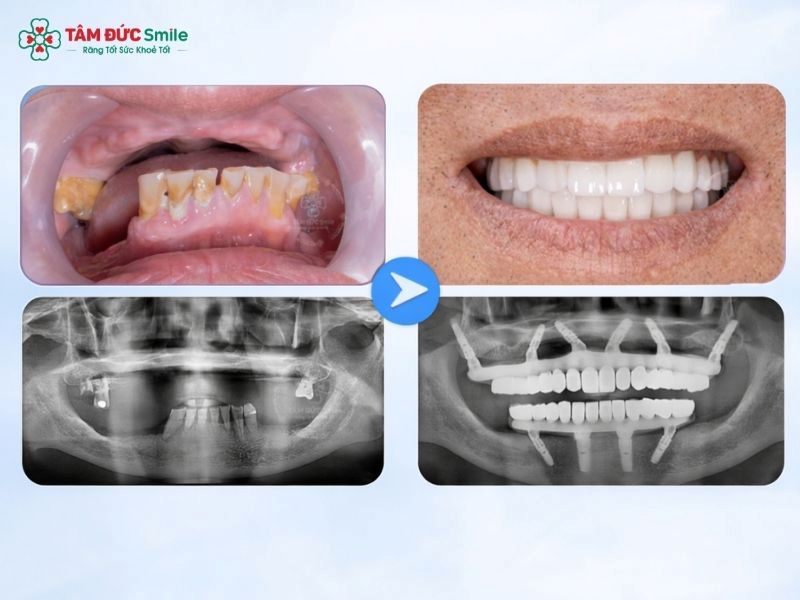
9. One Tooth Implant Before and After Results
9.1. Functional improvement
The one tooth implant before and after difference is often most noticeable in daily function. After treatment, patients regain full chewing efficiency, allowing them to eat comfortably without favoring one side of the mouth.
Because implants are anchored in bone, they provide stability similar to natural teeth. This eliminates issues such as slipping or discomfort commonly associated with removable restorations.
9.2. Aesthetic outcomes
Aesthetically, one tooth implant before and after results are highly natural. The single implant crown is custom-designed to match the shape, color, and translucency of surrounding teeth.
Additionally, implants help maintain gum contours and prevent the sunken appearance that can occur after tooth loss. This contributes to a more youthful and balanced facial profile.
9.3. Patient satisfaction
High levels of patient satisfaction are consistently reported with one tooth implant treatments. Patients often cite comfort, confidence, and natural appearance as key benefits.
Many patients who initially considered alternatives ultimately report that choosing a dental implant for one tooth exceeded their expectations in both function and aesthetics.
10. Why Choose Tam Duc Smile Dental for One Tooth Implant?
10.1. Specialized implant dentists
At Tam Duc Smile Dental, one tooth implant procedures are performed by dentists with advanced training in implantology. Their expertise ensures accurate diagnosis, precise placement, and optimal long-term outcomes.
10.2. Modern technology and safety standards
The clinic utilizes modern diagnostic and surgical technology to enhance precision and safety. Advanced imaging, guided implant planning, and strict sterilization protocols support a consistently high dental implant success rate.
10.3. Personalized treatment plans for each patient
Every implant for one missing tooth at Tam Duc Smile Dental is tailored to the individual. Treatment plans consider bone condition, aesthetic goals, and long-term oral health, ensuring that each patient receives a solution aligned with their needs and expectations.
By combining expertise, technology, and patient-centered care, Tam Duc Smile Dental delivers single tooth implant solutions that are durable, functional, and aesthetically refined.
Tam Duc Smile Dental Clinic – A Modern Nationwide Dental System
Tam Duc Smile Dental Clinic is a leading comprehensive dental system, offering a full range of oral healthcare services from basic to advanced treatments, including routine dental check-ups, cavity treatment, scaling and aesthetic fillings, teeth whitening, porcelain crowns and veneers, orthodontics, and dental implant placement. With a team of highly experienced and dedicated dentists, along with advanced technologies such as Cone Beam CT 3D imaging and CAD/CAM systems, Tam Duc Smile Dental Clinic is committed to delivering a perfect smile that is safe, durable, and long-lasting over time. Book your appointment today for a free consultation via Hotline 1900.8040
- 52 Tan Ky Tan Quy Street, Tay Thanh Ward, Ho Chi Minh City
- 140 Ly Thai To Street, Ban Co Ward, Ho Chi Minh City
- 76 Pham Hong Thai Street, Ben Thanh Ward, Ho Chi Minh City
- 708–720 Dien Bien Phu Street, Thanh My Tay Ward, Ho Chi Minh City
- 513 Hoang Van Thu Street, Tan Son Nhat Ward, Ho Chi Minh City
- 50 Le Van Viet Street, Tang Nhon Phu Ward, Ho Chi Minh City
- 1112 Huynh Tan Phat Street, Tan My Ward, Ho Chi Minh City
- 361 Phan Van Tri Street, Binh Loi Trung Ward, Ho Chi Minh City
- 128 Nguyen Oanh Street, Hanh Thong Ward, Ho Chi Minh City
- Hotline: 1900.8040 – 0329 851 079
- Opening hours: 08:00 AM – 07:30 PM; Sunday: 08:00 AM – 12:00 PM







Specialist Level I
Pham Nguyen
Content medically reviewed
A Specialist Level I in Odonto-Stomatology (Dentistry), former Deputy Head of the Department at the Ho Chi Minh City Hospital of Odonto-Stomatology, with extensive experience in dental implantology, sinus lift procedures, and oral and maxillofacial surgery. He has obtained numerous advanced professional certifications both in Vietnam and internationally.
Xem thêm thông tinBÀI VIẾT LIÊN QUAN
Multiple Tooth Implants: Implant-Supported Bridge & Jawbone Care
Multiple Tooth Implants are an advanced solution for replacing several missing teeth using titanium implants...
Do Dental Implants Hurt? Pain Timeline, Recovery & What to Expect
Do dental implants hurt? This is one of the most common concerns for patients considering...
Dental Implant Surgery: Procedure, Costs, Recovery & Advanced Techniques
Dental implant surgery is a modern dental implant procedure designed to replace missing teeth through...
Dental Implant Components: Parts, Materials & Implant System Explained
Dental implant components are the foundation of a successful implant restoration, consisting of three main...
Dental Implant Cleaning Tools for Implant Hygiene and Maintenance Guide
Dental implant cleaning tools play a vital role in maintaining long-term implant health and preventing...
Dental Implant Bridge: Implant-Supported Fixed Tooth Replacement
A dental implant bridge is an advanced implant-supported bridge solution designed to replace multiple missing...